
Free water testing Holly, MI (810) 254-0515
Water Softener Cleaning in Holly, MI

Holly Local

5.0 from 2 Google reviews

Water Softener Cleaning in Holly, MI

Mineral buildup and salt bridges rob your softener of efficiency, we restore it to full performance.

Call or text (810) 254-0515

Request an estimate

Tell us what you need
No obligation


By submitting this form you agree that we may contact you about your request and share your name and email address with partner companies for email marketing. We never share your mobile number or text message consent with third parties or affiliates for marketing or promotional purposes.

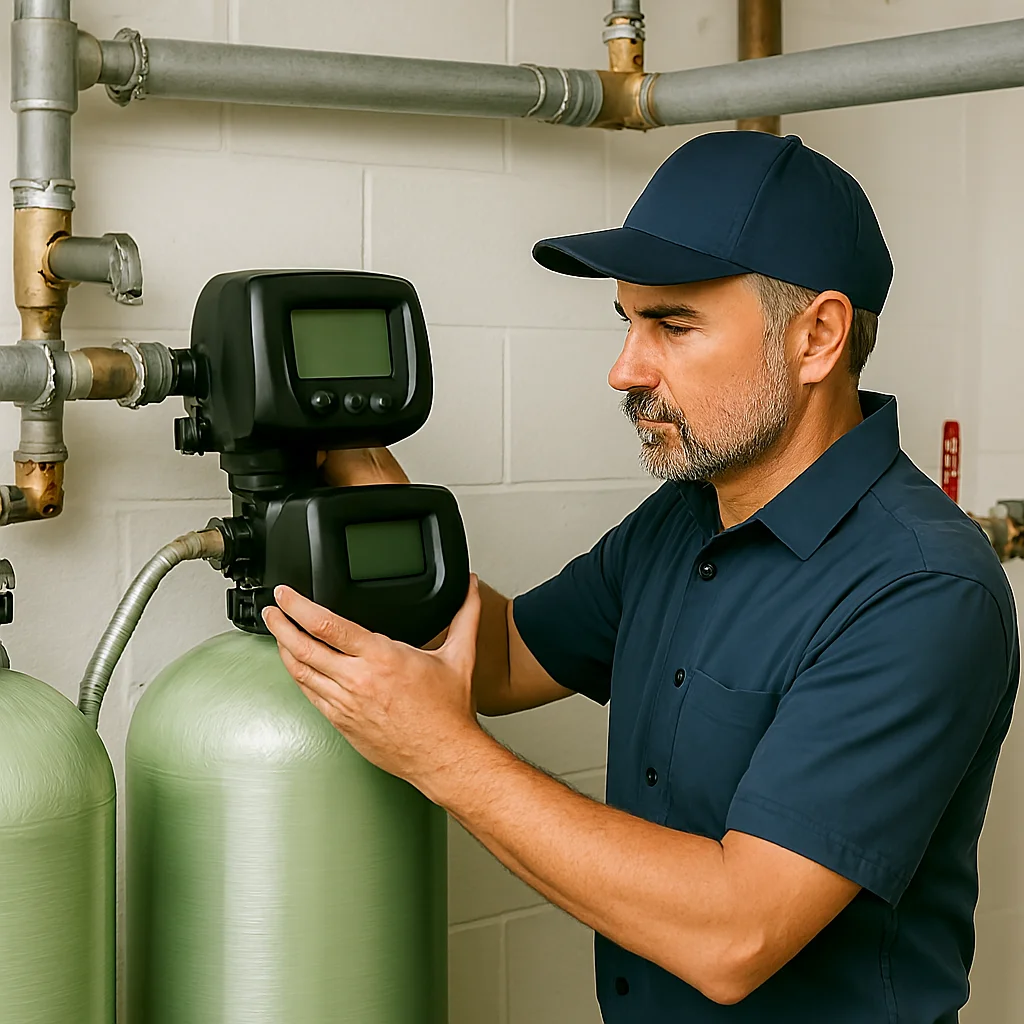
Water treatment system monitoring and inspection with digital meters on a residential water softener installation in a utility room.

Holly Water Softener Cleaning That Lasts

Water softener cleaning in Holly, MI is what Mr. Water Treatment LLC does when a system has stopped performing the way it should, soap that won't lather, mineral film on fixtures, skin that feels dry after a shower. Robert Davidson has been diagnosing and cleaning softener systems across Southeast Michigan for over 35 years, and he doesn't guess at the problem. He tests the water first, then goes to work. If your system is overworking or your brine tank smells off, that's a sign it's time to call: (810) 254-0515.

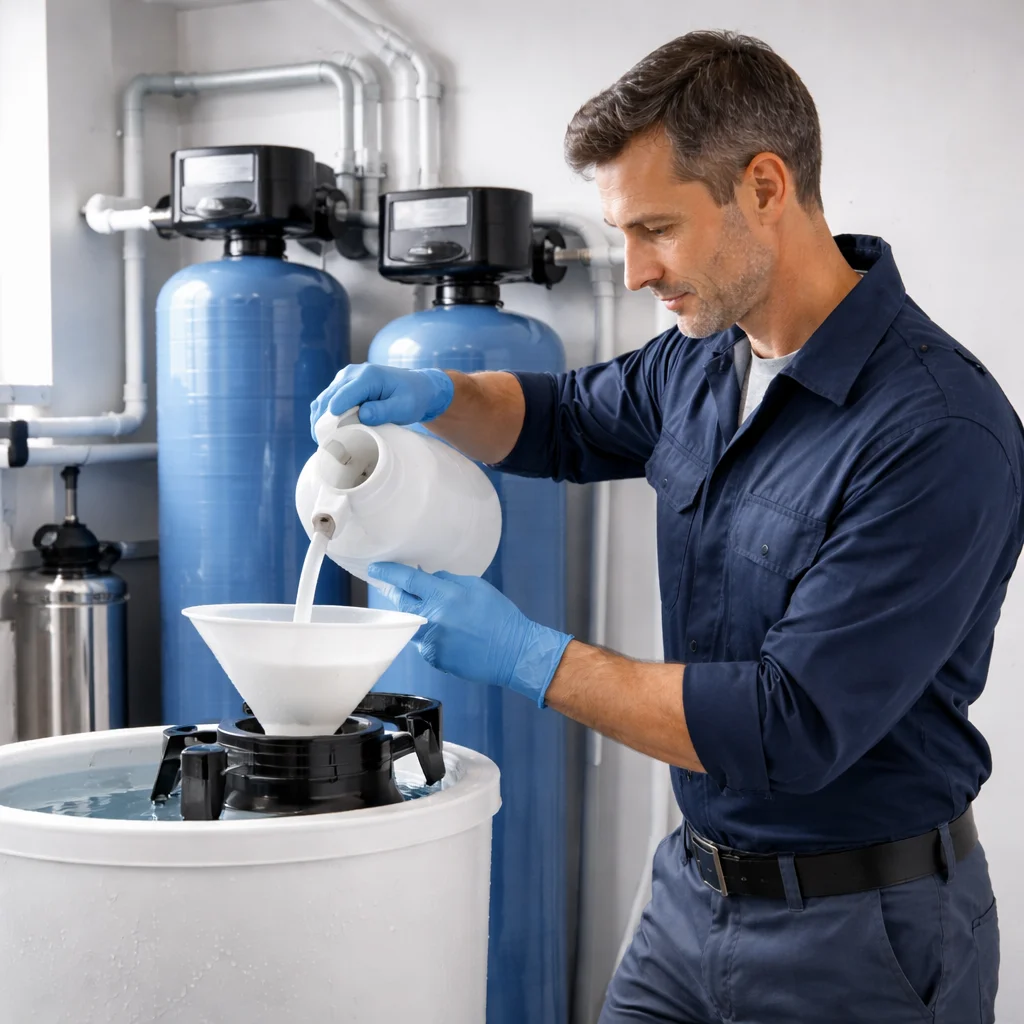
The cleaning process covers more than dumping fresh salt into the tank. A proper service means flushing the resin bed, clearing the injector screen, scrubbing out mineral deposits from the brine tank, checking the control valve and bypass, and verifying the regeneration cycle is timed correctly for your household's actual water use. Holly sits in an area where well water hardness routinely runs high enough to cake up a resin bed in a couple of seasons, faster if the system wasn't sized right to begin with. We use American-made components and factory-direct parts when anything needs replacing. Every job is different. Contact Mr. Water Treatment LLC for an accurate estimate.

What Water Softener Cleaning Covers

  • Brine tank scrub-out and bacterial sanitization
  • Resin bed flush to remove iron and sediment fouling
  • Injector and venturi screen cleaning
  • Control valve inspection and cycle timing check
  • Salt bridge breakup and salt level reset
  • Post-service hardness test to confirm performance
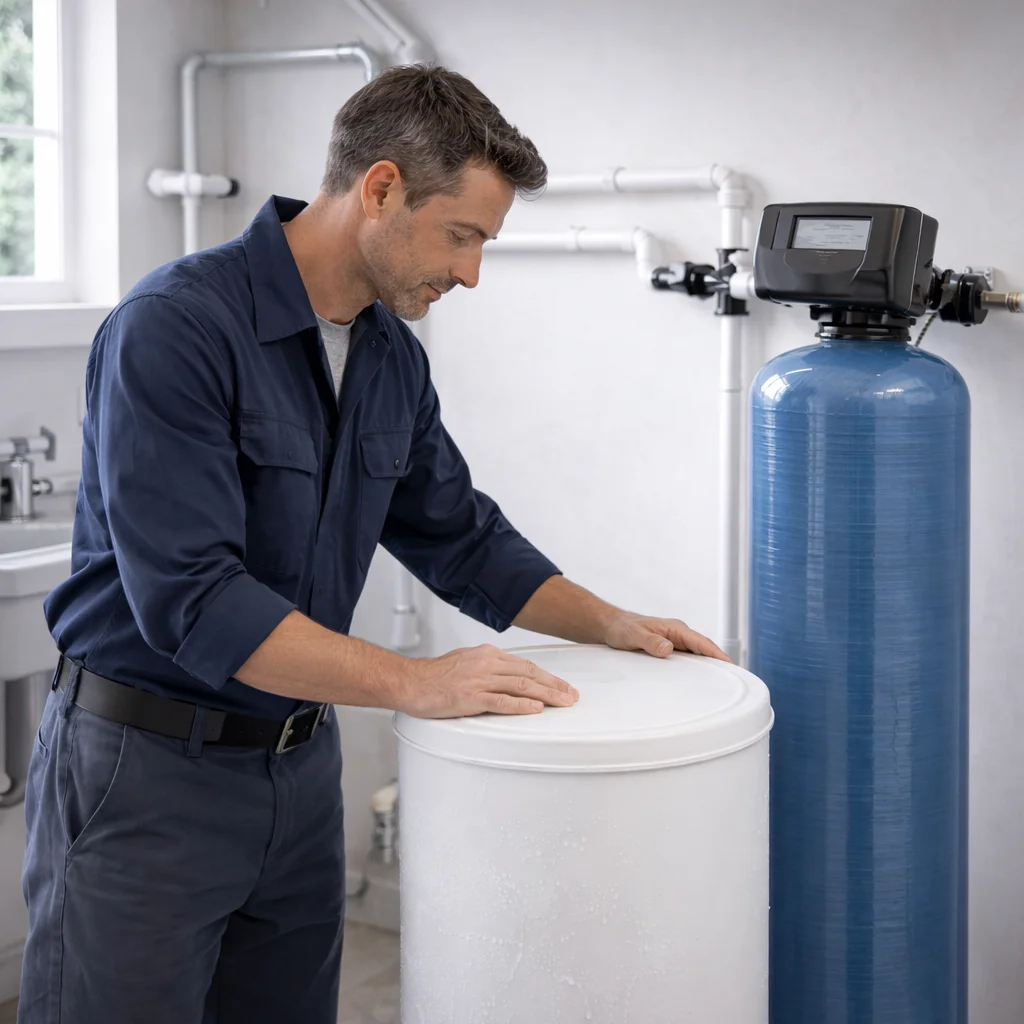
Water softener system with control valve installed in a residential utility space, with PVC piping connections visible on the wall.

Why It Matters

What Happens When a Softener Goes Without Cleaning

A fouled resin bed doesn't just soften less. It can pass iron and bacteria into your water supply.

Resin Bed Fouling

Iron in Holly well water coats resin beads over time, cutting their ion-exchange capacity. The system regenerates more often, burns through salt faster, and still delivers hard water. A proper resin flush restores the exchange surface without replacing the media.

Salt Bridging

A salt bridge forms when the crust at the top of the brine tank hardens into a solid shelf, leaving an empty space below it. The system thinks it has salt; it doesn't. Breaking the bridge is a 10-minute fix we do on every cleaning visit.

Brine Tank Bacteria

Yes, bacteria can grow in a softener brine tank, particularly iron bacteria that form a slimy brown sludge. Left alone, that sludge enters the resin tank and eventually your water lines. Sanitizing the brine tank with a bleach flush is part of a thorough cleaning, not an optional add-on.

Clogged Injector Screen

The injector pulls brine into the resin tank during regeneration. A clogged screen stops that process entirely, so the system runs a full cycle and cleans nothing. It's one of the most common causes of a softener that cycles constantly but never improves water quality.

Our Process

How We Clean a Water Softener in Holly

  1. Test First

    We run a water quality test before touching anything, hardness, iron levels, pH. That tells us whether the resin needs a simple flush or a full iron-fouling treatment, and whether the regeneration timer needs to be reset.

  2. Clean Every Component

    Brine tank scrubbed and sanitized, resin bed flushed with an approved cleaner, injector and venturi screens cleared, control valve inspected. We don't skip steps because a part looks clean from the outside.

  3. Verify and Adjust

    After reassembly we run a manual regeneration cycle, then retest the output water. If hardness or iron is still present, we don't leave until we've found why. The system gets signed off only when the numbers confirm it's working.

Signs Your Softener Needs Professional Cleaning

Soap won't lather the way it used to

Hard water minerals interfere with soap chemistry. If lather has gone flat, your softener isn't keeping up, cleaning often fixes it faster than a full system replacement.

Orange or brown staining on fixtures

Iron slipping past a fouled resin bed leaves rust-colored deposits on sinks, tubs, and toilet bowls. If you're seeing those stains, pair the softener cleaning with an iron level test to understand what's actually in your water.

Salt use has spiked or dropped sharply

Either extreme is a signal. A salt bridge stops consumption entirely; a stuck regeneration valve runs cycles constantly. Both waste salt and leave your water untreated.

Rotten egg or musty smell from taps

Iron bacteria in the brine tank produce hydrogen sulfide as a byproduct. The smell usually appears first at the hot water tap. A brine tank sanitization typically clears it.

How Often Holly Homeowners Should Schedule Cleaning
For most Holly homes on well water, a thorough professional cleaning every 12 to 18 months keeps the resin bed performing at capacity. Municipal water users can often go a bit longer between cleanings. There's less iron and manganese to foul the media. That said, the schedule depends on your actual water chemistry, your household size, and how hard your system works. A system pushing out 12 or more grains per gallon against a large household's daily demand degrades faster than one servicing a vacation property. If you haven't had the system serviced in more than two years, don't wait for a failure. A fouled resin bed doesn't announce itself dramatically, it just quietly stops working. By the time you notice the symptoms, the iron fouling may have progressed to the point where the resin needs replacement instead of just cleaning. We cover that possibility too through routine water treatment maintenance, but cleaning first is always the right call. See also our system inspection and cleaning service if you want a broader look at the full system.
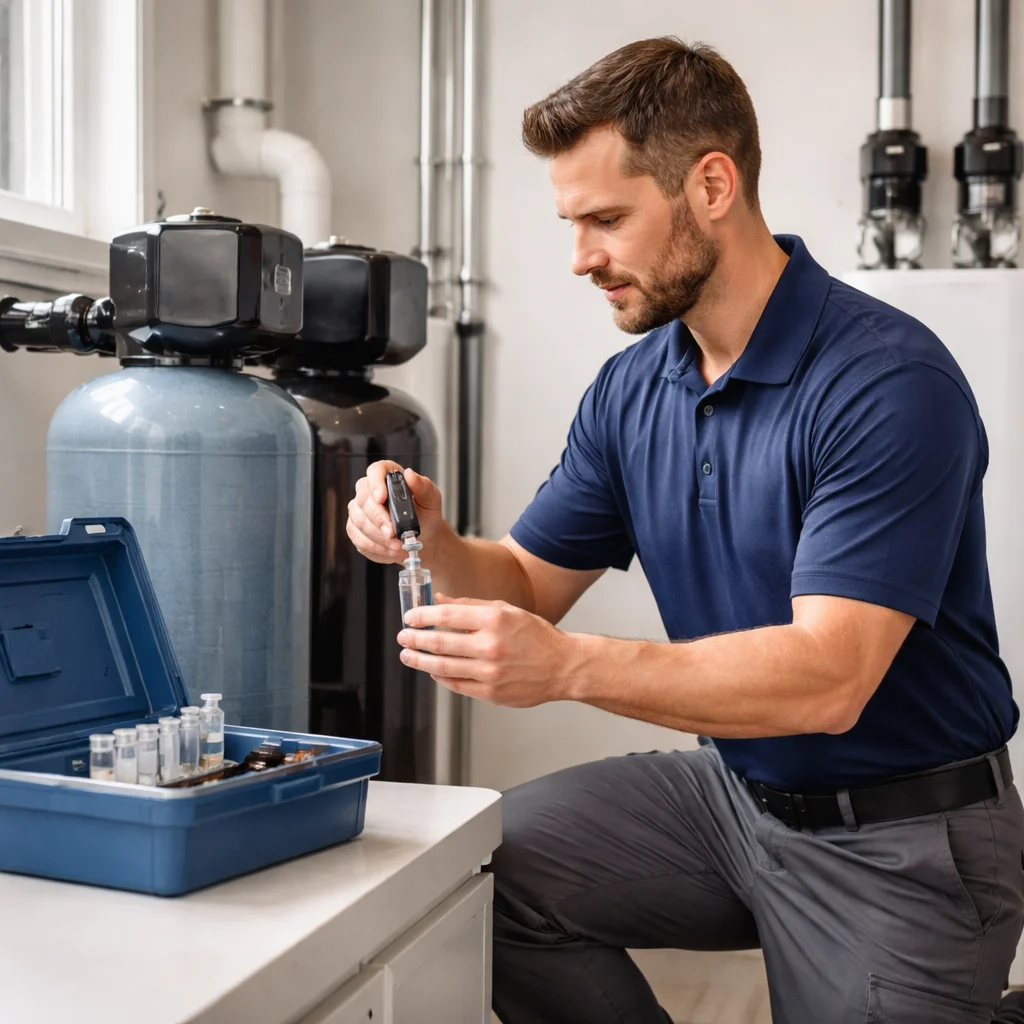
Technician performing water softener maintenance and testing in a residential utility room

35 Years of Water Softener Work in Southeast Michigan

Robert Davidson founded Mr. Water Treatment LLC in Holly in 1991. Every cleaning visit is handled personally. We don't subcontract.

35+ years serving Oakland and Genesee County well-water homes
Robert has cleaned and serviced more Southeast Michigan softeners than he can count.
BBB accredited, certified technicians, Authorized Charger Dealer
We carry verifiable credentials, not just a logo on a truck.
Factory-direct parts, American-made components
If a valve or injector needs replacing, it goes in at factory cost, not retail markup.
5-star rated on Google across every completed review
Two reviews, two five-star ratings, from customers who came back a second time.

Common Questions About Water Softener Cleaning

Don't see your question?(810) 254-0515
Can bacteria actually grow in a water softener brine tank?
Yes. Iron bacteria in particular thrive in the warm, mineral-rich environment of a brine tank. They form a brown slimy layer that coats the tank walls and eventually migrates into the resin vessel. Sanitizing the brine tank with a diluted bleach solution during a professional cleaning removes the colony and prevents it from re-establishing quickly.
What's the difference between water softener cleaning and regular maintenance?
Maintenance usually means adding salt and checking the display, things a homeowner handles between visits. Cleaning is what we do when we're on-site: scrubbing the brine tank, flushing the resin bed, clearing the injector, and verifying the regeneration program. Those steps can't be done from outside the cabinet. Most systems need a professional cleaning once a year; maintenance between visits keeps that interval from shortening.
How do I know if my softener's resin bed needs cleaning vs. replacement?
A resin bed fouled with iron usually responds to a cleaning treatment using a resin cleaner run through a manual regeneration cycle. If the resin has been iron-fouled for years without treatment, the beads may be permanently coated and unable to exchange ions regardless of how thoroughly they're flushed. We test output hardness after cleaning to determine whether the media recovered. If it didn't, we'll tell you plainly rather than recommending another cleaning that won't fix the problem. We also offer water softener resin replacement when that's the right call.
How do I flush out my water softener between professional visits?
You can run a manual regeneration cycle from the control head. The button or dial is usually labeled 'Regen' or 'Manual.' This pushes brine through the resin bed and flushes the backwash. It's not a substitute for a full cleaning, but running one every few months helps prevent mineral buildup between service visits. Check your owner's manual for the specific procedure on your model, since the button sequence varies.
How often should a water softener be professionally cleaned in Holly?
For well-water homes in Holly and the surrounding townships, we typically recommend a professional cleaning every 12 to 18 months. Holly's well water tends to carry enough iron and hardness minerals to foul a resin bed within two seasons if the system isn't maintained. Municipal water users on a city supply can often go closer to 24 months between cleanings, depending on household demand.
Why does my water softener smell bad after regeneration?
A sulfur or musty odor after regeneration almost always points to bacterial growth in the brine tank or resin vessel. Iron bacteria produce hydrogen sulfide as a metabolic byproduct, and you'll often notice the smell first at the hot water tap because heat volatilizes the gas. A brine tank sanitization and resin flush clears it in most cases. If the smell persists after cleaning, we'll test for hydrogen sulfide at the source as part of a broader free comprehensive water test.
What does professional water softener cleaning include?
A thorough cleaning covers the brine tank scrub-out and sanitization, a resin bed flush with an iron-removing cleaner, injector and venturi screen clearing, control valve inspection, salt level reset, and a post-service hardness test to confirm the system is performing. Most visits take one to two hours depending on how long the system has gone between cleanings.
How often should a water softener be cleaned in Holly, MI?
Every 12 to 18 months is the right interval for most Holly homes on well water, where iron and mineral loads are high enough to foul a resin bed within two seasons. Municipal water users can often extend that to 24 months. The only way to know exactly where your system stands is to test the output water, which we do at the start of every visit.
How do I know if my water softener tank needs cleaning?
Watch for soap that won't lather, orange or rust-colored staining on sinks and tubs, a sharp increase or complete stop in salt consumption, or a sulfur smell from your hot water tap. Any one of those is a reliable indicator. If you're seeing two or more at the same time, the system has likely been underperforming for months.
What's the difference between cleaning and a regeneration cycle?
Regeneration is an automated cycle the softener runs on its own schedule, it pushes brine through the resin bed to recharge the media and flushes the waste water out. Cleaning is a manual process done on-site: physically scrubbing the brine tank, flushing accumulated iron and sediment from the resin with a cleaning agent, and clearing any mechanical blockages. Regeneration maintains a clean system; it can't fix one that's already fouled.
Is it okay to drink water treated by a water softener every day?
For most people, yes. Softened water replaces calcium and magnesium ions with sodium ions, and the sodium level in the finished water is low enough that it's well within safe drinking limits for healthy adults. If you're on a sodium-restricted diet, a reverse osmosis system installed at the drinking tap removes the added sodium before it reaches your glass. We can test your softened water's sodium level if you want a specific number for your household.
Why is water softener cleaning important for water quality in Holly?
Holly and the surrounding Oakland County townships draw heavily on well water that carries iron, manganese, and hardness minerals at levels that stress softener systems more than typical municipal supplies. A neglected resin bed doesn't just soften poorly. It can allow iron and other contaminants to pass through to fixtures, water heaters, and appliances. Regular cleaning protects both the system and everything downstream from it.

Schedule Your Water Softener Cleaning

If your water doesn't feel right, don't wait for the system to fail completely. Call Robert Davidson at Mr. Water Treatment LLC and get an honest answer about what your softener actually needs.

Related

Next step

Tell us about the job

Your name, your number and what needs doing. A person from Mr. Water Treatment LLC gets back to you.

Rather talk now?(810) 254-0515

No obligation


By submitting this form you agree that we may contact you about your request and share your name and email address with partner companies for email marketing. We never share your mobile number or text message consent with third parties or affiliates for marketing or promotional purposes.