
Holly Local
5.0 from 2 Google reviewsWater Softener Calibration in Holly, MI
Precision hardness settings and salt optimization from a 35-year Southeast Michigan water treatment specialist.
Call or text (810) 254-0515Request an estimate
Tell us what you need
Calibration That Keeps Holly Water Soft
Water softener calibration in Holly is what Robert Davidson at Mr. Water Treatment LLC has been doing for over 35 years, and it's the kind of work most homeowners don't think about until their soap stops lathering or their salt tank empties twice as fast as it should. If your softener is running but your water doesn't feel right, the settings are almost certainly the problem. Call (810) 254-0515 and Robert will come out, measure your actual hardness, and set the unit to match your water, not the factory default.
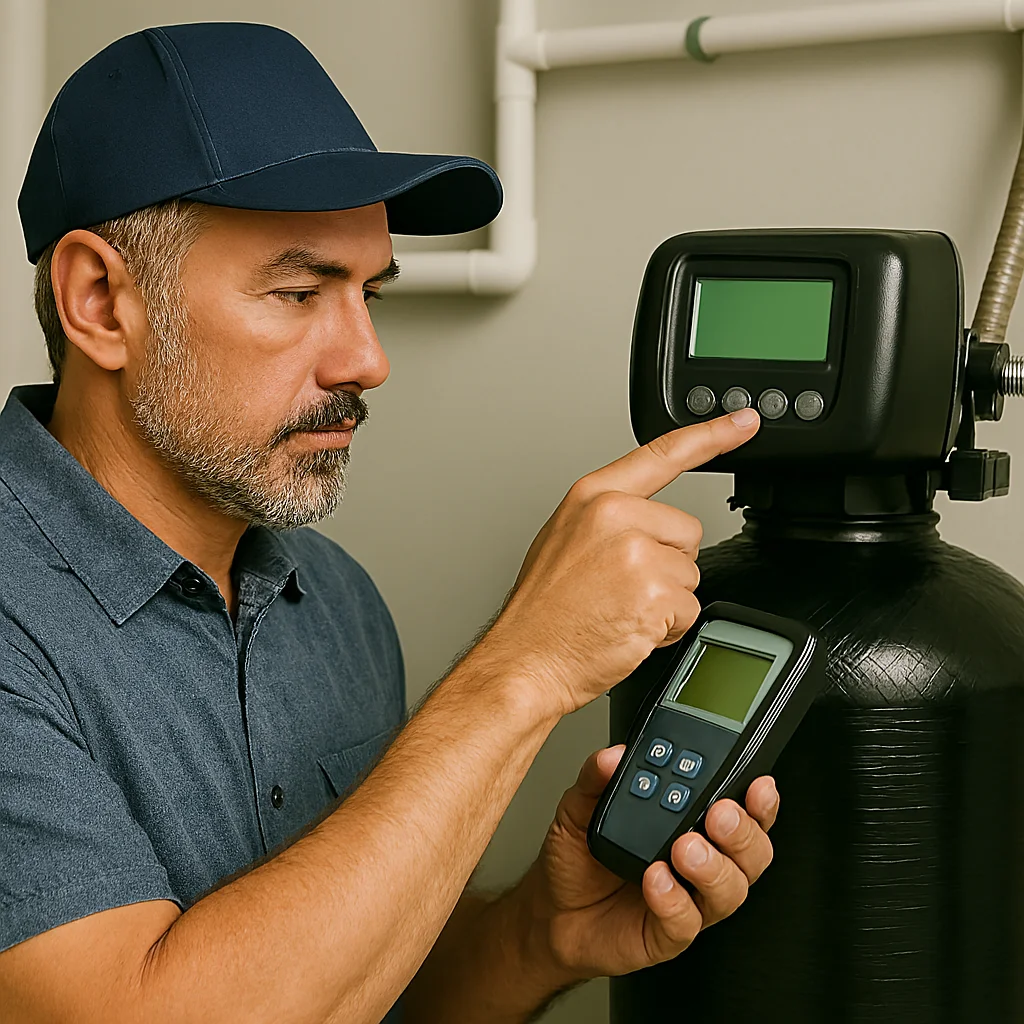
Oakland County well water is hard. It's not a generalization; it's a measurable fact that changes from neighborhood to neighborhood and season to season. A softener calibrated for one hardness level and left untouched will either over-treat your water, burning through salt, or under-treat it, letting scale build in your pipes and appliances. Proper water hardness testing is the starting point for every calibration visit. Robert measures hardness at your tap, checks the regeneration cycle frequency, and adjusts your system's settings until the output matches what your household actually needs. Every job is different. Contact Mr. Water Treatment LLC for an accurate estimate.
What Water Softener Calibration Covers
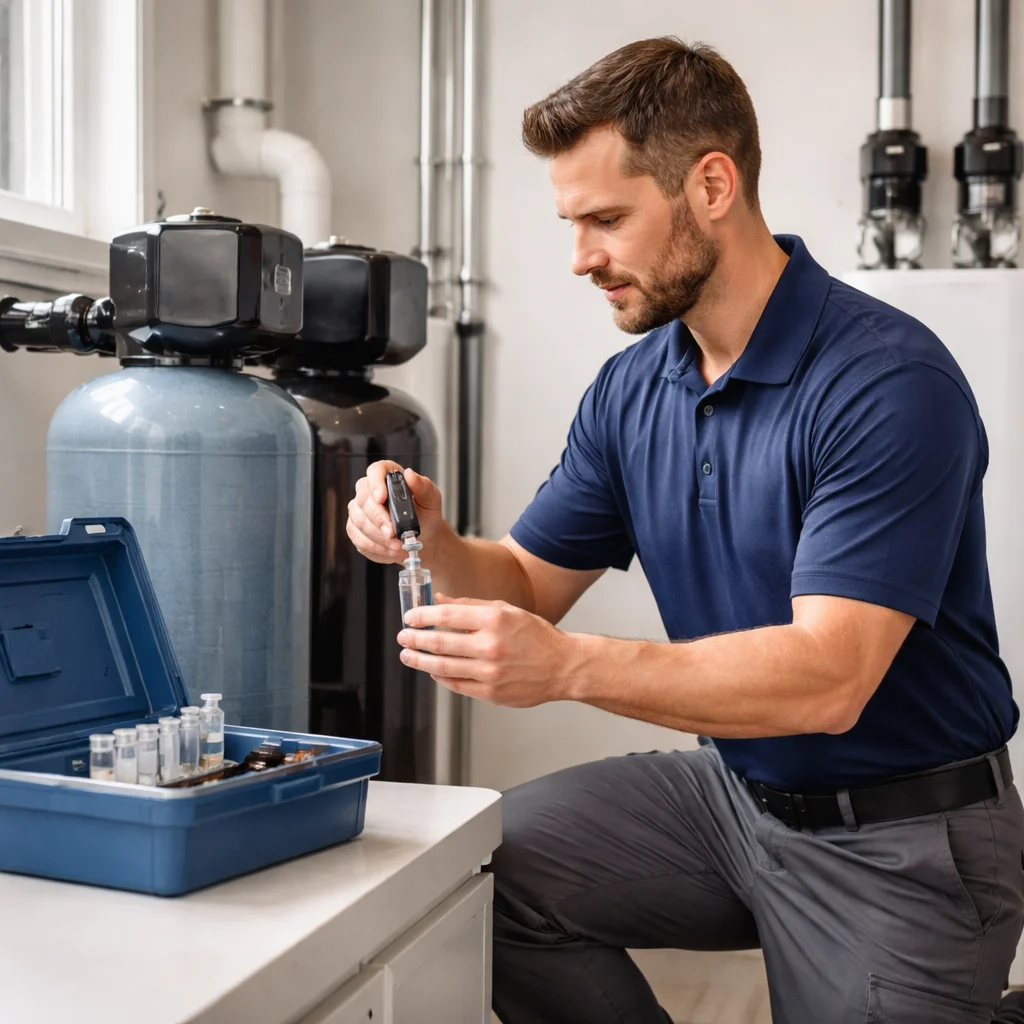
- Hardness measurement at the tap with a calibrated test kit
- Regeneration cycle frequency adjusted to your actual water use
- Salt dose dialed in to avoid waste and bridge cycles
- Post-calibration output test to confirm soft water delivery
- Honest assessment of whether the unit needs repair or replacement
The Process
How Robert Calibrates Your Softener
Three steps, no guessing, no factory defaults.
Measure Your Water
Robert tests hardness at the tap before touching any settings. Southeast Michigan well water often runs 20 to 30 grains per gallon, but it varies. The only honest calibration starts with real numbers from your water, not a neighborhood average.
Adjust the Settings
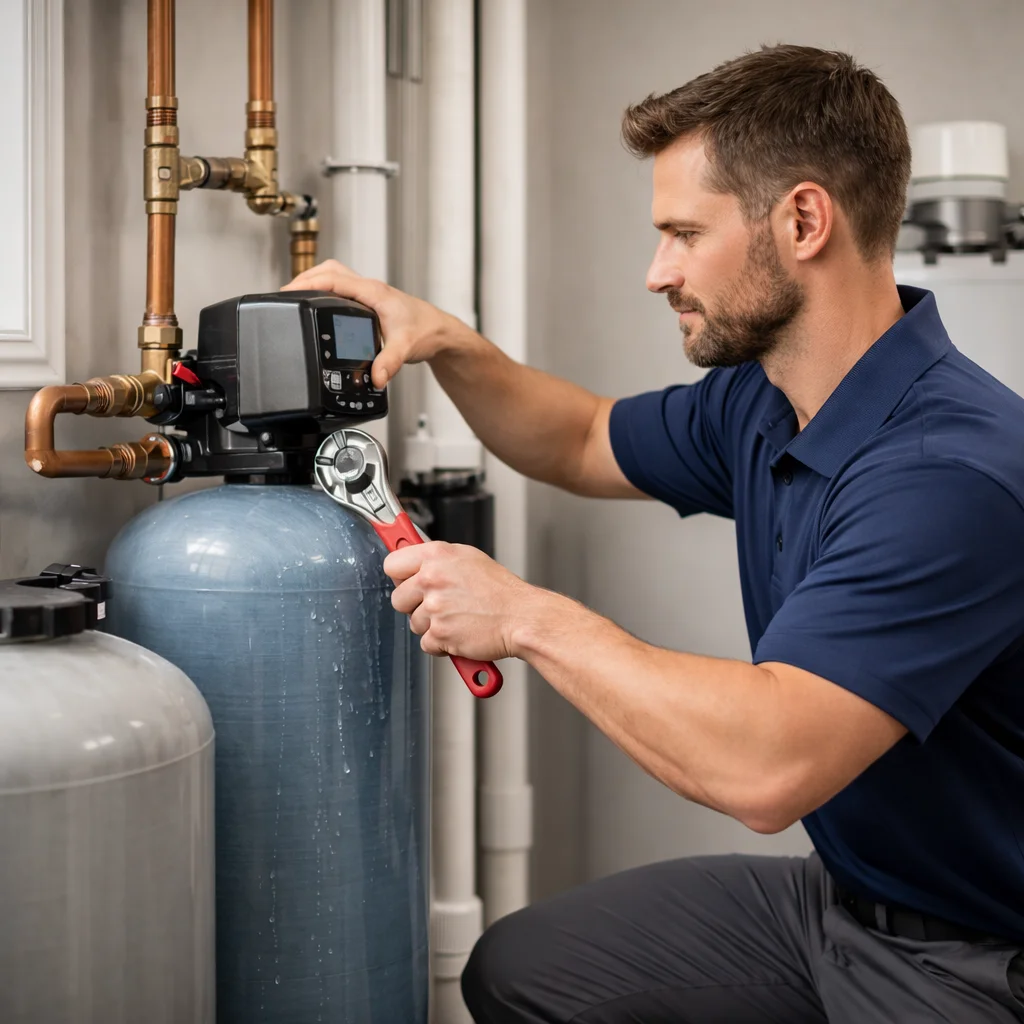
Hardness setting, regeneration frequency, and salt dose are all adjusted together. Setting hardness too high drives salt consumption through the roof. Too low, and iron and calcium slip through. Robert sets them as a system, not in isolation.
Verify the Output
After adjustment, water is retested at the tap to confirm the softener is delivering. The regeneration cycle is stepped through manually if needed to verify the valve and resin bed are responding correctly. We don't leave until the numbers confirm it.
Common Problems
Signs Your Softener Is Miscalibrated
Any one of these is worth a service call before the problem compounds.
Salt Disappearing Too Fast
If you're refilling the brine tank far more often than you used to, the hardness setting or regeneration frequency is almost certainly set too high. A salt refill service visit with recalibration resolves this in one call.
Hard Water Symptoms Returning
Soap scum on shower walls, spots on dishes, and stiff laundry are the clearest signs soft water output has dropped. This usually means the hardness setting is too low for current source water conditions.
Orange or Brown Staining
Iron staining reappearing after a softener installation usually means the unit wasn't set up for your iron load. Calibration in combination with iron level testing corrects this without additional equipment in most cases.
Unusually Short Regeneration Cycles
If the unit is regenerating every day or running cycles that seem too short, the timer or demand-initiated settings need adjustment. Left alone, it overworks the resin bed and shortens the softener's service life.
When Calibration Isn't Enough
Factory-Direct Pricing. No Hidden Markups.
Mr. Water Treatment passes factory-direct pricing directly to Southeast Michigan homeowners. No middleman margin, no big-box markup.
- 35+ years calibrating softeners in Holly and Oakland County
- Founded 1991. Family-owned. Robert Davidson works every job personally.
- Authorized Charger Dealer with certified technicians
- American-made components and industry-leading Clack valves on every install.
- BBB Accredited Business
- Accreditation reflects years of honest, verifiable service to Southeast Michigan customers.
- Diagnostic-first approach: test before recommending
- No calibration recommendation is made without measuring your actual hardness levels first.
Frequently Asked Questions About Water Softener Calibration
How do I know if my water softener is set correctly?
What is the proper hardness setting for my water softener in Holly?
What happens if my water softener hardness is set too high?
How often should I have my water softener recalibrated?
How does calibration affect salt consumption?
Why hire a professional instead of adjusting the settings myself?
What is the proper hardness setting for a water softener serving an Oakland County well?
How long should 40 pounds of salt last in a water softener?
Can adjusting the salt level fix a water quality problem?
How does water softener calibration affect scale buildup in my plumbing?
In the field
A look at our work
Get Your Softener Calibrated Right
If your salt is disappearing fast, your water feels off, or you're just not sure your settings match your water, that's worth a call.
Related
Next step
Tell us about the job
Your name, your number and what needs doing. A person from Mr. Water Treatment LLC gets back to you.
Rather talk now?(810) 254-0515