
Holly Local
5.0 from 2 Google reviewsComprehensive Water Analysis in Holly
Full-spectrum testing that tells you exactly what's in your water before recommending any solution.
Call or text (810) 254-0515Request an estimate
Tell us what you need

What Comprehensive Water Analysis Covers in Holly
Comprehensive water analysis in Holly means Robert Davidson tests your water for the full range of contaminants that actually affect Southeast Michigan homes, hardness, iron, arsenic, pH, nitrates, and more, before a single piece of equipment gets recommended. Mr. Water Treatment has provided water quality testing to Holly and surrounding communities for over 35 years, and the diagnostic approach is the same every time: test first, then prescribe. If your water has a problem, the analysis will find it. Call (810) 254-0515 to schedule yours.
What drives the scope of a comprehensive analysis depends on your water source and your home's history. Well water in Oakland and Genesee Counties carries different risks than municipal supply, private wells are more likely to show arsenic, iron, and bacterial contamination, while older homes on city water may face lead and copper concerns from aging pipe materials. The analysis covers a broad spectrum of quality indicators so you're not guessing at which system to buy or whether you even need one. Every job is different. Contact Mr. Water Treatment LLC for an accurate assessment.
What Water Analysis Actually Tells You
- Tests hardness, iron, arsenic, pH, nitrates, and total dissolved solids
- Identifies contaminants that have no taste, smell, or visible sign
- Covers both private well water and municipal supply
- Results drive a specific, honest recommendation, not a sales pitch
- Performed by certified technicians with 35+ years of local experience
Why It Matters
Contaminants That Escape the Naked Eye
Most of what comprehensive water analysis catches, you'd never detect without testing.
Arsenic
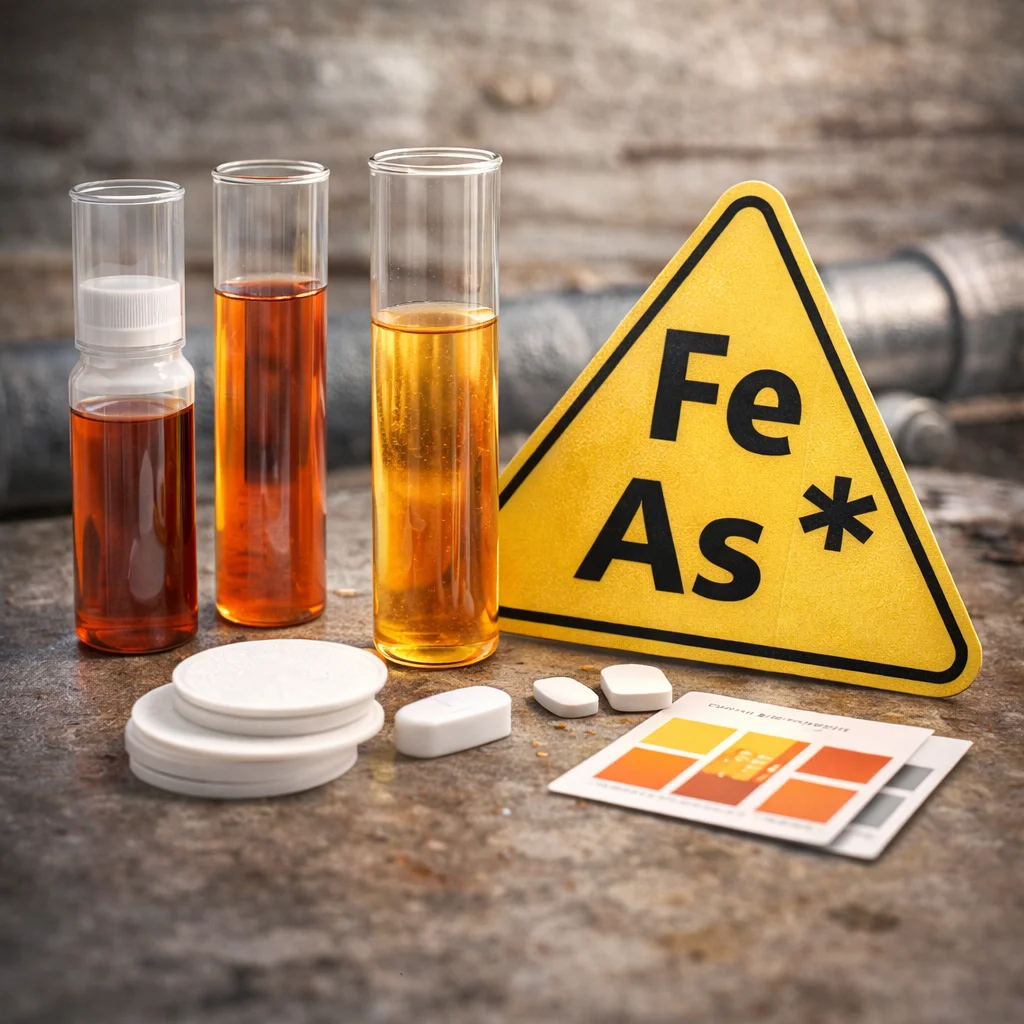
Colorless and tasteless in drinking water. Southeast Michigan well water has documented arsenic concerns. It's one of the most common invisible contaminants in this region, and long-term exposure carries serious health implications. An arsenic filter performance test can confirm whether your existing system is removing it effectively.
Iron
Even at low concentrations, dissolved iron damages fixtures, stains laundry orange, and shortens appliance life. It's endemic in rural Oakland and Genesee County well water. You might not see it yet, but it'll show up in the analysis before it shows up on your porcelain.
Hardness Minerals
Calcium and magnesium don't taste wrong, they just quietly scale your water heater, clog your showerhead, and shorten the life of every appliance connected to your supply. A water softener performance check confirms whether your existing softener is keeping up.
pH Imbalance
Water that's too acidic corrodes copper and brass fittings from the inside out. Too alkaline and it leaves scale deposits on fixtures and in pipes. Neither reads as an obvious problem until the damage is done.
Nitrates
A concern for homes near agricultural land, as fertilizer runoff can reach private wells. Nitrate contamination is particularly risky for infants and poses health risks that go unnoticed without testing.
Bacteria and Coliform
Private wells in Michigan are not regularly monitored by any public agency. Bacterial contamination can follow a heavy rain event, a nearby septic issue, or a crack in the well casing, and it won't announce itself through taste or odor.
The Process
How the Analysis Works
Sample Collection
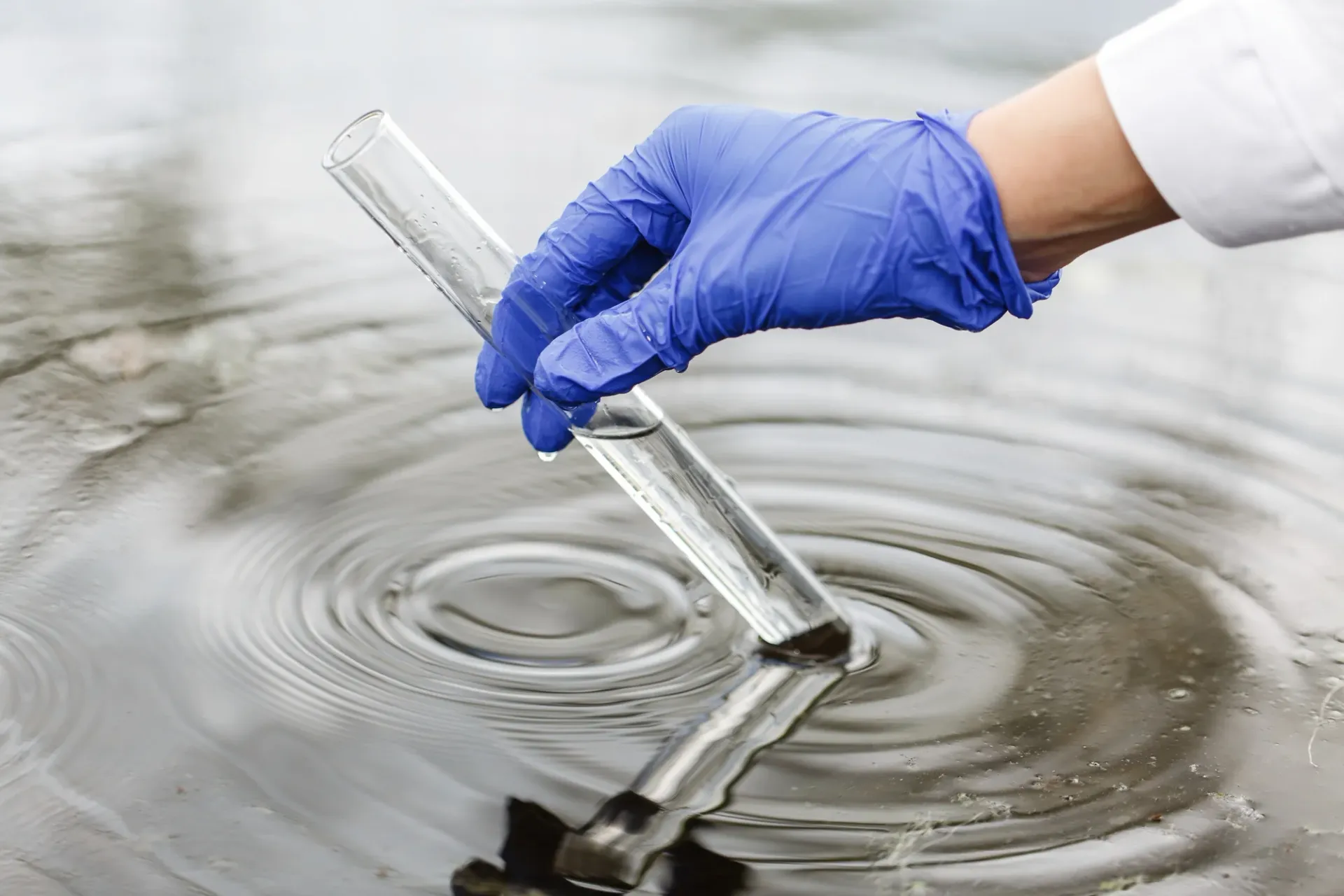
Robert collects water directly from your tap or well. Proper sampling protocol matters, the wrong collection method introduces error before the test even starts.
Laboratory Analysis
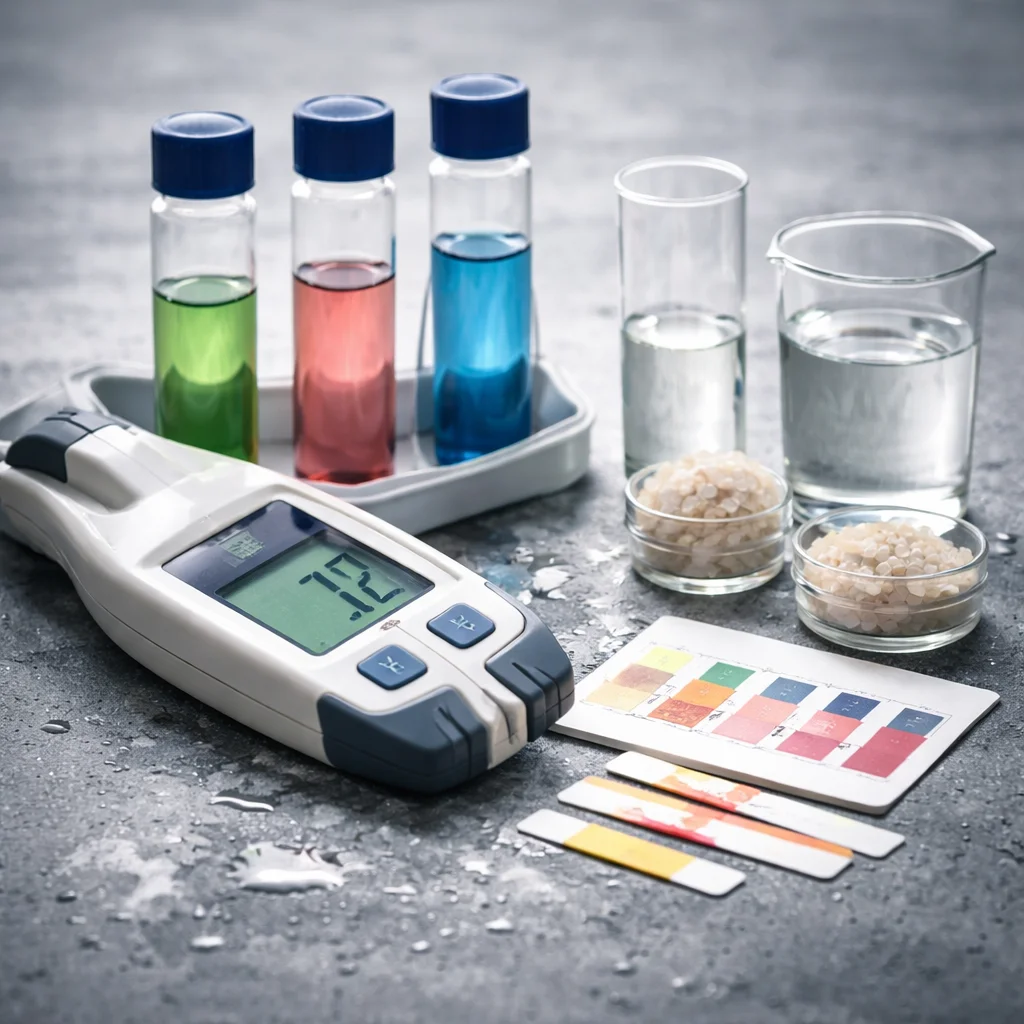
Samples go through a full contaminant panel covering hardness, iron, arsenic, pH, nitrates, TDS, and more. Professional lab analysis finds what home test strips routinely miss.
Honest Interpretation
Results come back as a clear explanation of what your water contains, what the levels mean, and what, if anything, needs to be done. If your water is fine, Robert will tell you that too.
Professional Testing Versus a DIY Kit
What Mr. Water Treatment Brings to Every Analysis
35 years of water testing in Southeast Michigan, and the approach has never changed.
- Factory-direct pricing
- No retail markup on equipment. If testing reveals a problem, the solution costs less here.
- American-made components
- Including industry-leading Clack valves. Equipment that's built to perform long-term.
- Certified technicians
- Every analysis and installation is handled by certified, trained technicians, not subcontractors.
- BBB accredited, family-owned
- Robert Davidson runs this business personally. The person who tests your water is the person who recommends your solution.
Water Testing in the Field

Signs Your Water Needs Professional Testing
Some of these are obvious. Some aren't. Any one of them is a reason to call.
Orange or brown staining
On fixtures, in the toilet bowl, or in laundry. Iron is the usual cause, and it compounds over time, affecting appliances, iron filter media, and anything iron-laden water contacts regularly.
Scale buildup on fixtures
White crusty deposits around faucets and showerheads signal hard water. Left alone, it accelerates wear on water heaters, appliances, and supply lines.
Water that smells sulfuric
A rotten-egg odor usually indicates hydrogen sulfide, common in Michigan well water. It's not always a health risk, but it always warrants testing to confirm the source.
You've never tested your well
Private wells in Michigan have no regulatory monitoring. If you moved into a home with an existing well and never ran a full analysis, you're making assumptions about your water's safety that the data may not support.
Get a Clear Picture of Your Water
35 years of Southeast Michigan water testing. Factory-direct pricing on every solution. American-made systems if treatment turns out to be needed. Call Robert Davidson at (810) 254-0515 or reach out through the contact page to schedule your comprehensive water analysis.
Frequently asked questions
What does comprehensive water analysis test for?
What is the water analysis process from sample to results?
What are signs of poor water quality?
How often should I have my water professionally tested?
How is professional water analysis different from an at-home test kit?
What should I do if my water analysis shows contamination?
What contaminants are most common in Holly-area well water?
Related
Next step
Tell us about the job
Your name, your number and what needs doing. A person from Mr. Water Treatment LLC gets back to you.
Rather talk now?(810) 254-0515