
Holly Local
5.0 from 2 Google reviewsIron Level Testing in Holly
Precise iron testing for homes and businesses across Southeast Michigan, backed by 35 years of local experience.
Call or text (810) 254-0515Request an estimate
Tell us what you need
Iron Level Testing in Holly, MI
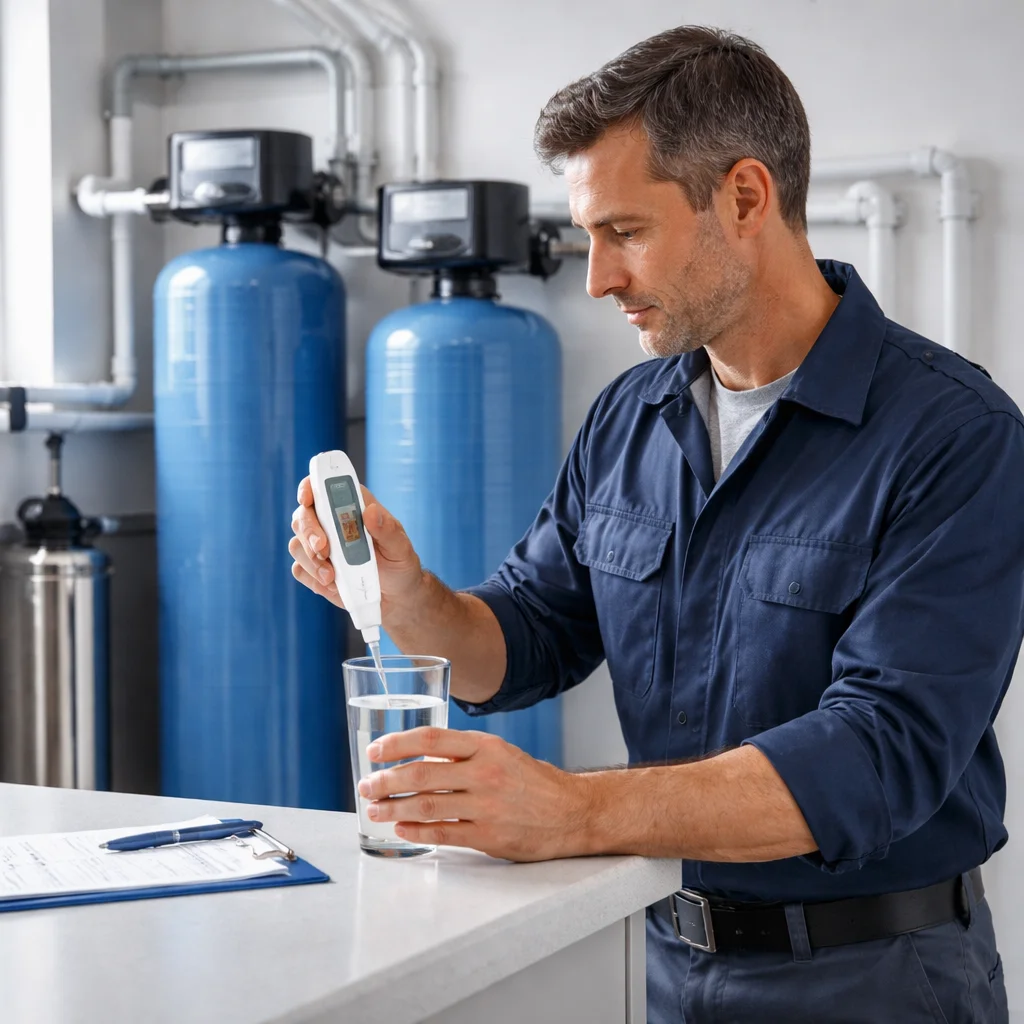
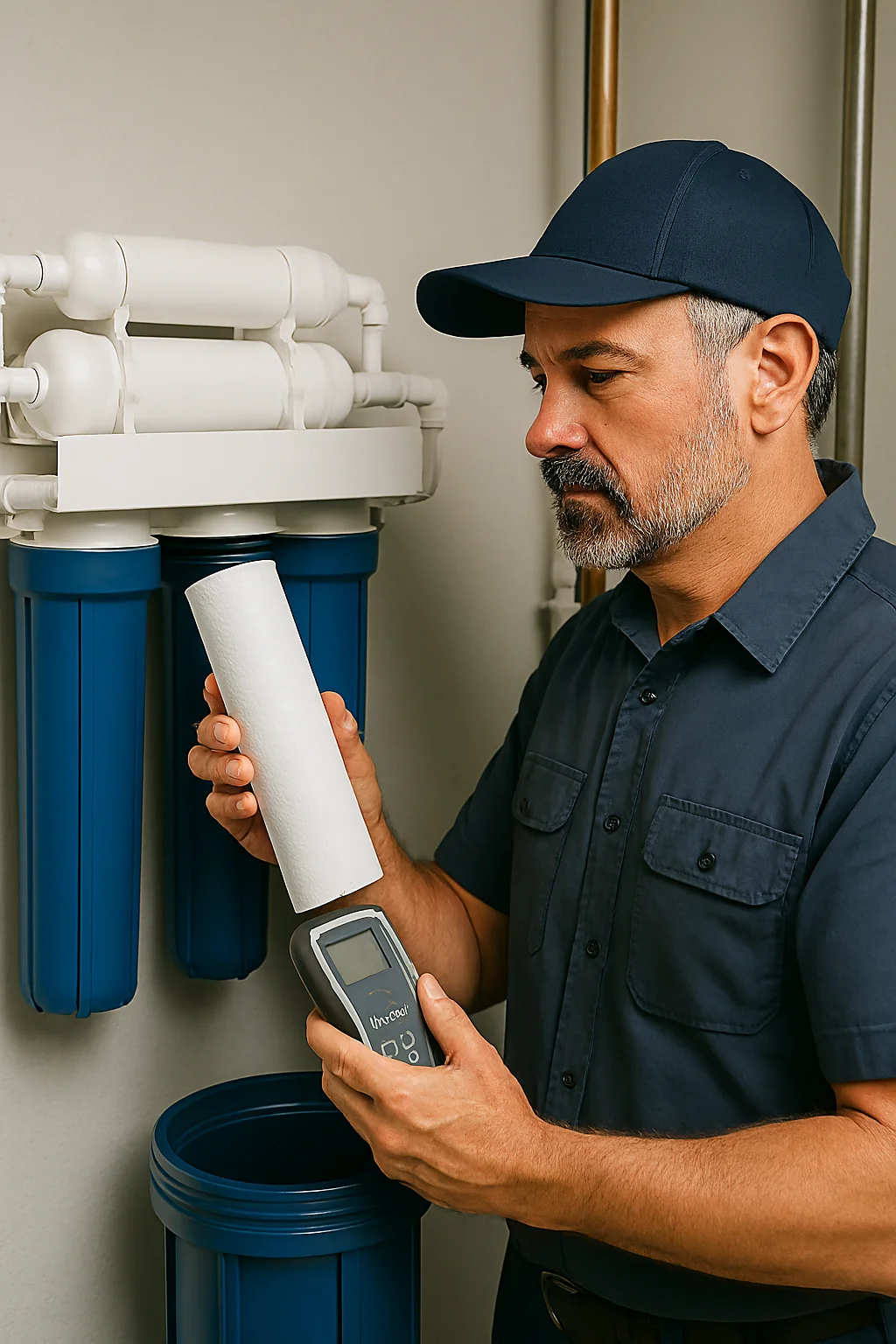
Iron level testing in Holly, MI is exactly what it sounds like: a precise, on-site measurement of how much iron is in your water supply, and Mr. Water Treatment LLC has been doing it for over 35 years. If you're seeing orange stains in your sinks, smelling something metallic from your tap, or watching laundry come out rust-colored, those aren't cosmetic problems. They're symptoms of elevated iron that only a proper test can quantify. Call Robert Davidson at (810) 254-0515 before the staining works its way deeper into your fixtures or your filter system takes on more iron than it was sized to handle.
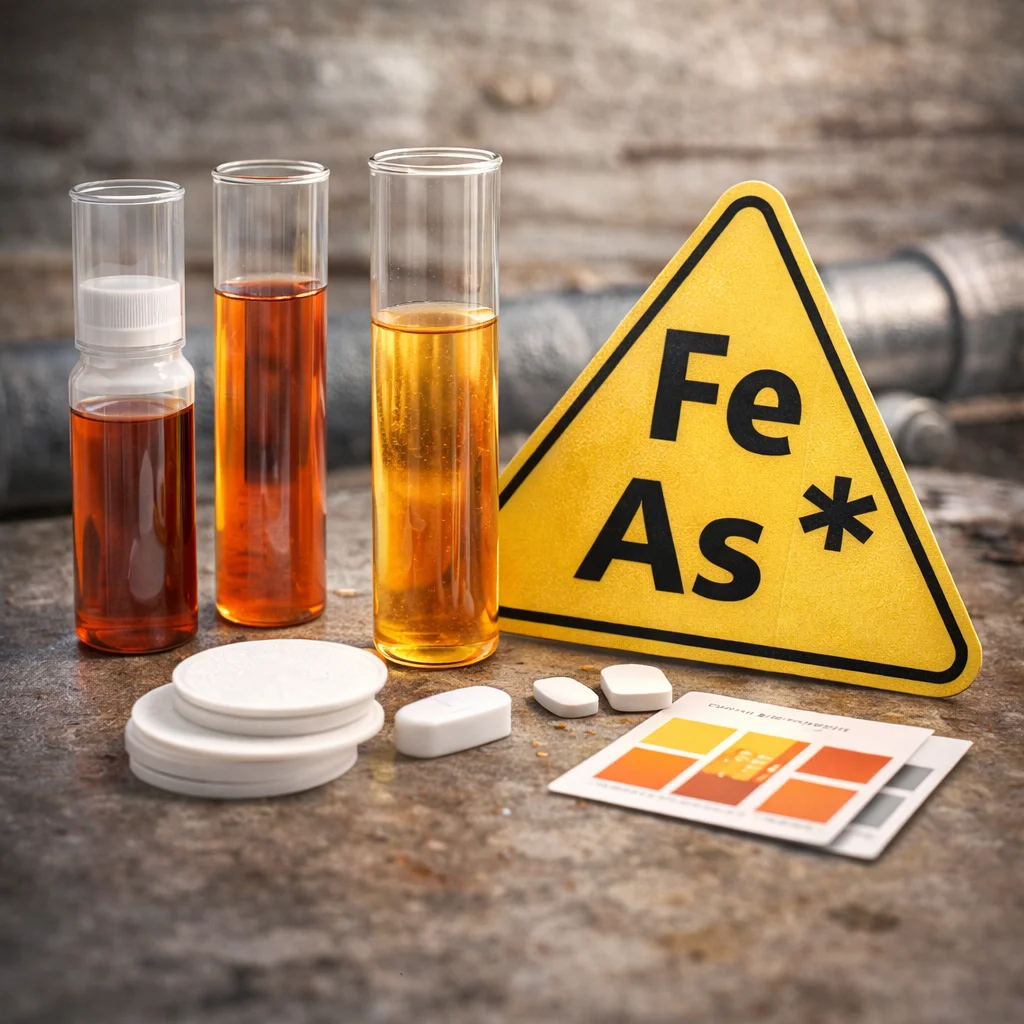
What sets a good iron test apart from a guessing game is the method. There are two distinct forms of iron in well water, clear-water iron (ferrous, dissolved) and rusty iron (ferric, particulate), and they behave differently in a treatment system. A test that only catches one type will leave you with the wrong filter media or the wrong softener settings. Our certified technicians test for both, then factor in your pH, flow rate, and existing equipment before recommending anything. That system needs analysis step is what prevents an expensive mismatch between your water chemistry and whatever goes in next.
What Iron Level Testing Covers
- Tests for both ferrous (clear-water) and ferric (rusty) iron
- Measures iron concentration in parts per million (ppm)
- Identifies iron bacteria, which standard tests miss
- Cross-checks pH and hardness levels that affect iron behavior
- Results reviewed on-site with plain-language explanation
- Recommendation tied to your actual numbers, not a sales script
Why It Matters
What Level of Iron Is Actually a Problem
The EPA's secondary standard is 0.3 mg/L, most Southeast Michigan well water exceeds it by a wide margin.
Staining Starts Early
Iron staining on fixtures, tubs, and laundry can appear at concentrations as low as 0.3 ppm. By the time the staining is obvious, most wells we test in Oakland and Genesee Counties are running 2 to 5 ppm or higher.
Appliance Damage
Water heaters, dishwashers, and ice makers accumulate iron deposits internally. You won't see the buildup until efficiency drops or the appliance fails early. A test gives you a baseline before that happens.
Iron Bacteria
Some wells carry iron bacteria. A biological problem that standard iron filters don't address. It produces a reddish-brown slime in toilet tanks and a distinct odor. We screen for it during testing because treating the wrong problem wastes money.
Filter Sizing Depends on the Number
An iron filter sized for 2 ppm will be overwhelmed at 8 ppm. Without a real measurement, any equipment recommendation is a guess. We won't size a system without knowing your actual iron load.
Our Process
How We Test Iron Levels On-Site
Water Sample Collection
We collect samples from your tap and, where accessible, your pressure tank. Running water and standing water can test differently, and both matter for a complete picture.
Lab-Grade Field Analysis
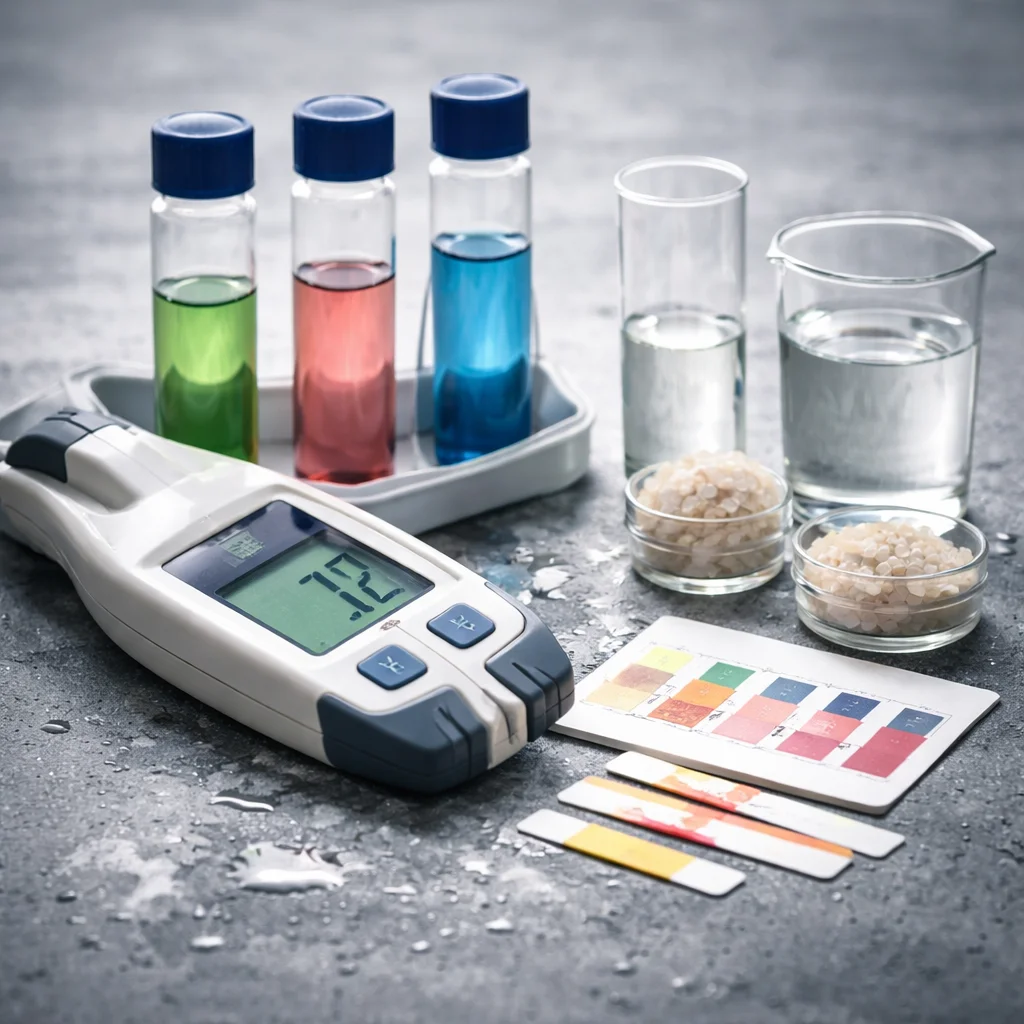
Our technicians use field-tested colorimetric and digital measurement methods to separate total iron, ferrous iron, and ferric iron. We also check pH and hardness, since those values determine which treatment will actually work.
On-Site Results and Next Steps
You get the numbers before we leave. If the results point to a filter upgrade, resin replacement, or a different treatment approach, we explain why in plain terms. No jargon, no pressure, just what your water is telling us.
When to Call for Iron Testing
What Clients Say About Robert's Work
“I can't say enough good things about Mr. Water!
This was the second time I've used them, and both experiences have been outstanding. About a year ago, they came out to replace my iron filter. They arrived on time, were friendly, professional, and completed the work efficiently. What really earned my trust was their honesty. They could have easily tried to sell me a new water softener, but instead they told me my existing unit still had plenty of life left and recommended waiting until it actually needed to be replaced. That kind of integrity is hard to find these days. Almost a year later, my water softener finally reached the end of its life, so I called Mr. Water again. Once again, they showed up exactly when they said they would, were courteous and professional, and had the new softener installed quickly and neatly. They took the time to answer my questions, made sure everything was working properly before they left, and left the area clean. It's refreshing to work with a company that values honesty over making a quick sale. Their professionalism, punctuality, quality workmanship, and customer service have been exceptional every step of the way. They've earned my trust and my future business, and I wouldn't hesitate to recommend Mr. Water to anyone looking for a reliable, trustworthy water treatment company.”
“Mr. Water Treatment, Holly, MI, did a complete and precise job replacing our water system. They explained the water system and why each part was necessary in everyday language which created trust and helped us make a well-informed purchase. They also improved the speed and taste of our RO water tap by suggesting a separate pump and minerals. We had them installed and we are very glad we did. Mr. Water Treatment, Holly, MI, staff are honest and dependable. They stand behind their work and are easy to work with. We are very pleased with our new water system, and we are happy to have met staff of Mr. Water Treatment, Holly, MI.”
Iron Testing Leads to the Right Fix
35 years in Southeast Michigan water treatment means Robert Davidson has seen iron problems in every form the region produces. The test is where every solution starts.
- Certified technicians perform every test
- No outsourcing. The person who tests is the person who explains the results.
- Factory-direct pricing on any follow-up equipment
- If the test shows you need a filter or a softener resin replacement, you're not paying retail markup.
- American-made components recommended when treatment is needed
- Including industry-proven Clack valves on filtration systems.
- BBB accredited, family-owned since 1991
- Robert Davidson's name is on every job. That accountability doesn't change.
Iron Level Testing: Common Questions
What level of iron in well water is considered a problem?
What's the difference between clear-water iron and rusty iron, and why does it matter for testing?
Can I test my iron level at home with a kit?
Does high iron affect my water softener?
What happens after the iron level test: what are my options?
How long does on-site iron testing take?
Does iron testing also check for iron bacteria?
What's the difference between clear-water iron and rusty iron, and why does it matter?
Can I check my iron level at home with a test kit?
Does high iron damage my water softener?
What happens after the iron level test?
How long does an on-site iron test take?
Does iron testing also screen for iron bacteria?
Will the test tell me if I need a new iron filter or just a cleaning?
In the field
A look at our work
Schedule Your Iron Level Test in Holly
Don't wait for orange stains to get worse or a fouled filter to fail. Call Robert Davidson directly at Mr. Water Treatment LLC to schedule your on-site iron level test.
Related
Next step
Tell us about the job
Your name, your number and what needs doing. A person from Mr. Water Treatment LLC gets back to you.
Rather talk now?(810) 254-0515