
Holly Local
5.0 from 2 Google reviewsWater Contaminant Identification in Holly
35 years of precise water testing for Holly homes and Southeast Michigan businesses.
Call or text (810) 254-0515Request an estimate
Tell us what you need
Identifying Water Contaminants in Holly, MI
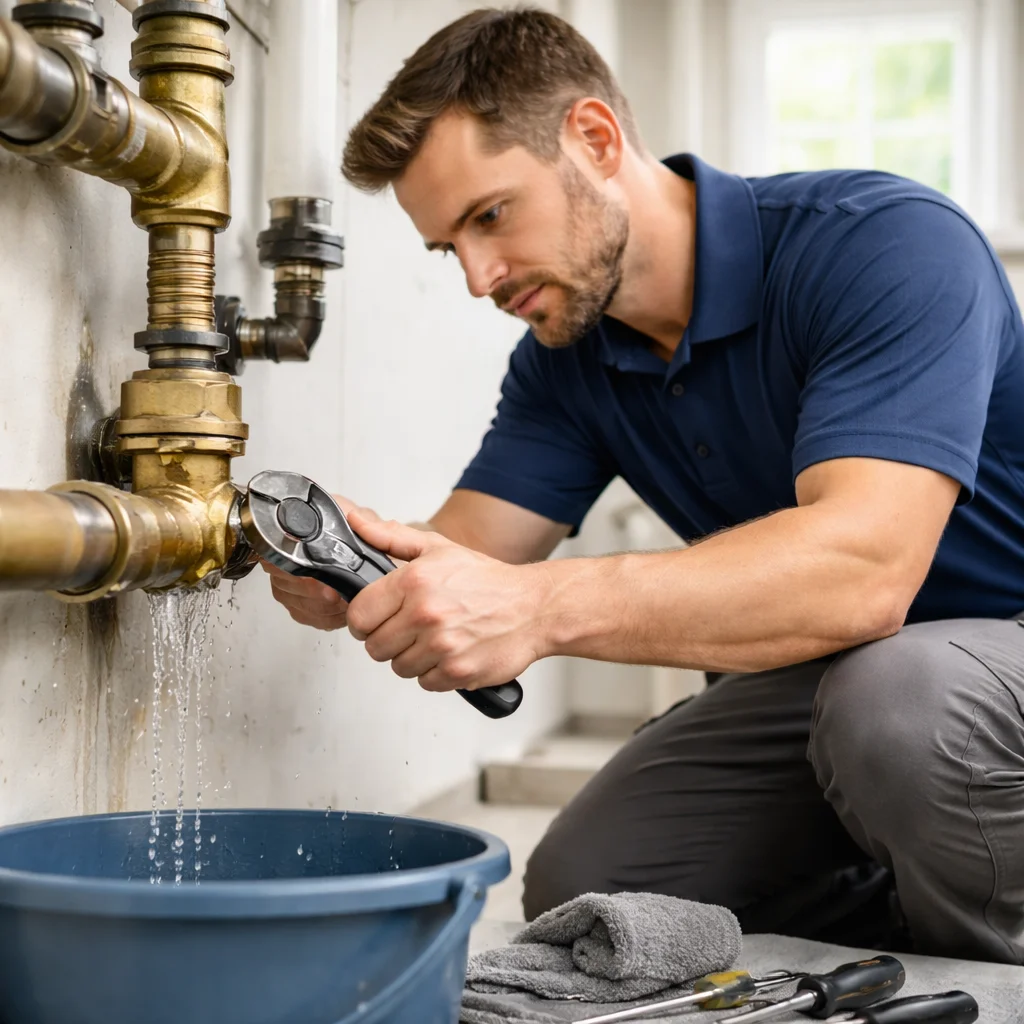
Water contaminant identification in Holly starts with knowing exactly what you're dealing with, and Mr. Water Treatment LLC has been doing that work for over 35 years. Robert Davidson and his team test for lead, bacteria, chlorine, iron, arsenic, hardness, and more, then tell you plainly what the results mean for your household. If something's off in your water, you'll know what it is and what to do about it before it reaches the kitchen tap or the nursery. Call (810) 254-0515 to get a comprehensive water analysis scheduled.
The specific tests your water needs depend on your source and your situation. Holly-area homes on private wells face different risks than those on municipal supply, and factors like well depth, soil type, and nearby land use all shape what turns up in a sample. Robert doesn't run a one-size-fits-all panel and walk away. He looks at your water source, your plumbing, and any symptoms you've noticed, then matches the testing to what your home actually needs. Every job is different. Contact Mr. Water Treatment LLC for an accurate assessment.
What Contaminant Identification Involves
- On-site water sampling from your tap, well, or point-of-use fixture
- Testing for lead, iron, arsenic, bacteria, nitrates, hardness, and pH
- Quantitative results that show how much of a contaminant is present, not just whether it exists
- Plain-language interpretation of what results mean for health and plumbing
- Written recommendations for next steps if any contaminant exceeds safe thresholds
What We Test For
Common Contaminants Found in Holly Area Water
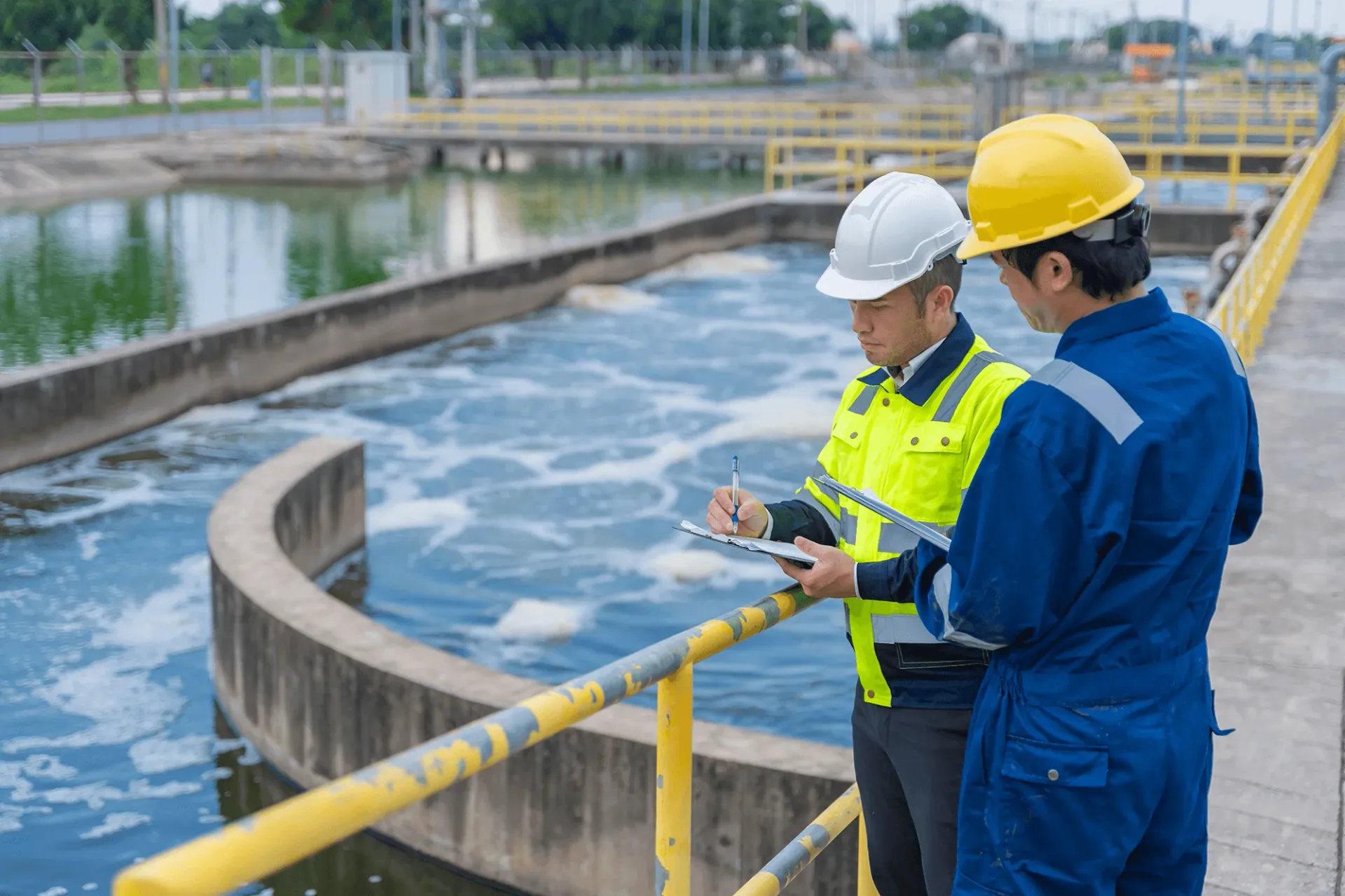
These are the threats Southeast Michigan well water consistently turns up.
Iron
The most common complaint from rural Oakland and Genesee County well owners. Even at low levels, iron causes orange staining on fixtures, a metallic taste, and accelerated damage to water softener resin. Iron level testing tells you exactly how much is present and which treatment method fits.
Arsenic
Southeast Michigan groundwater has documented arsenic issues, particularly in well-water communities. Arsenic is colorless and odorless, so you won't detect it without a test. Arsenic level testing is essential for any home on a private well in this region.
Lead
Lead doesn't come from the aquifer; it leaches from older pipes and solder inside the home. Homes with pre-1986 plumbing in Holly and surrounding townships should test for lead at the tap, not just at the source.
Bacteria and E. coli
Coliform bacteria and E. coli can enter well systems after flooding, heavy rain, or a compromised well cap. These are presence-or-absence tests, and a single positive result means the system needs immediate attention.
Hardness and pH
Hard water is endemic across Southeast Michigan. High hardness accelerates scale buildup in water heaters, appliances, and supply lines. pH imbalance can corrode copper plumbing over time. Both are part of a full water softener system integration evaluation.
Nitrates
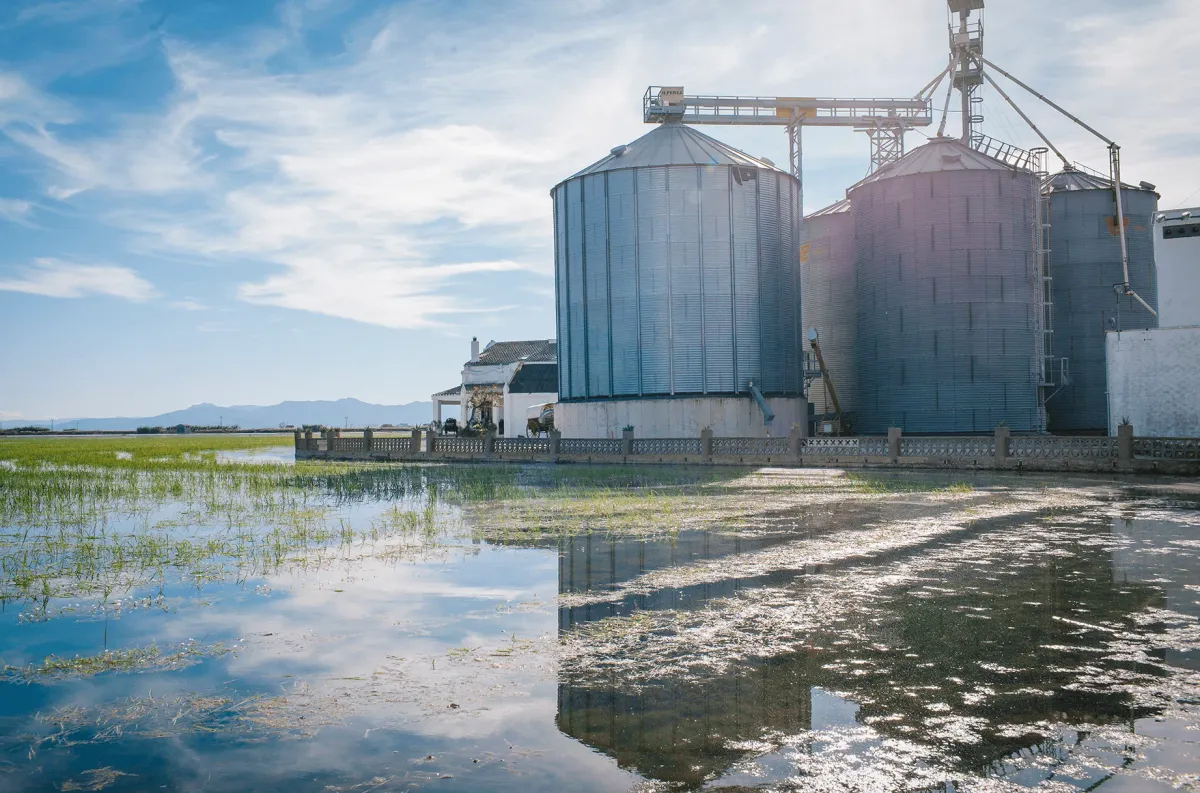
Nitrates from agricultural runoff or septic systems near the well are a particular concern for households with infants. The EPA maximum contaminant level is 10 mg/L. Testing is straightforward, and filtration options exist if levels are elevated.
Why It Matters
Holly Well Water Carries Specific Risks Worth Knowing

When to Test: Four Situations That Can't Wait
Any one of these is enough reason to call Robert before you wait another season.
New well or new home purchase
A well that tested clean five years ago may not be clean today. Real estate transactions in Michigan don't always require well testing, so buyers need to request it themselves. Test before you close if you can, or immediately after.
Change in taste, odor, or color
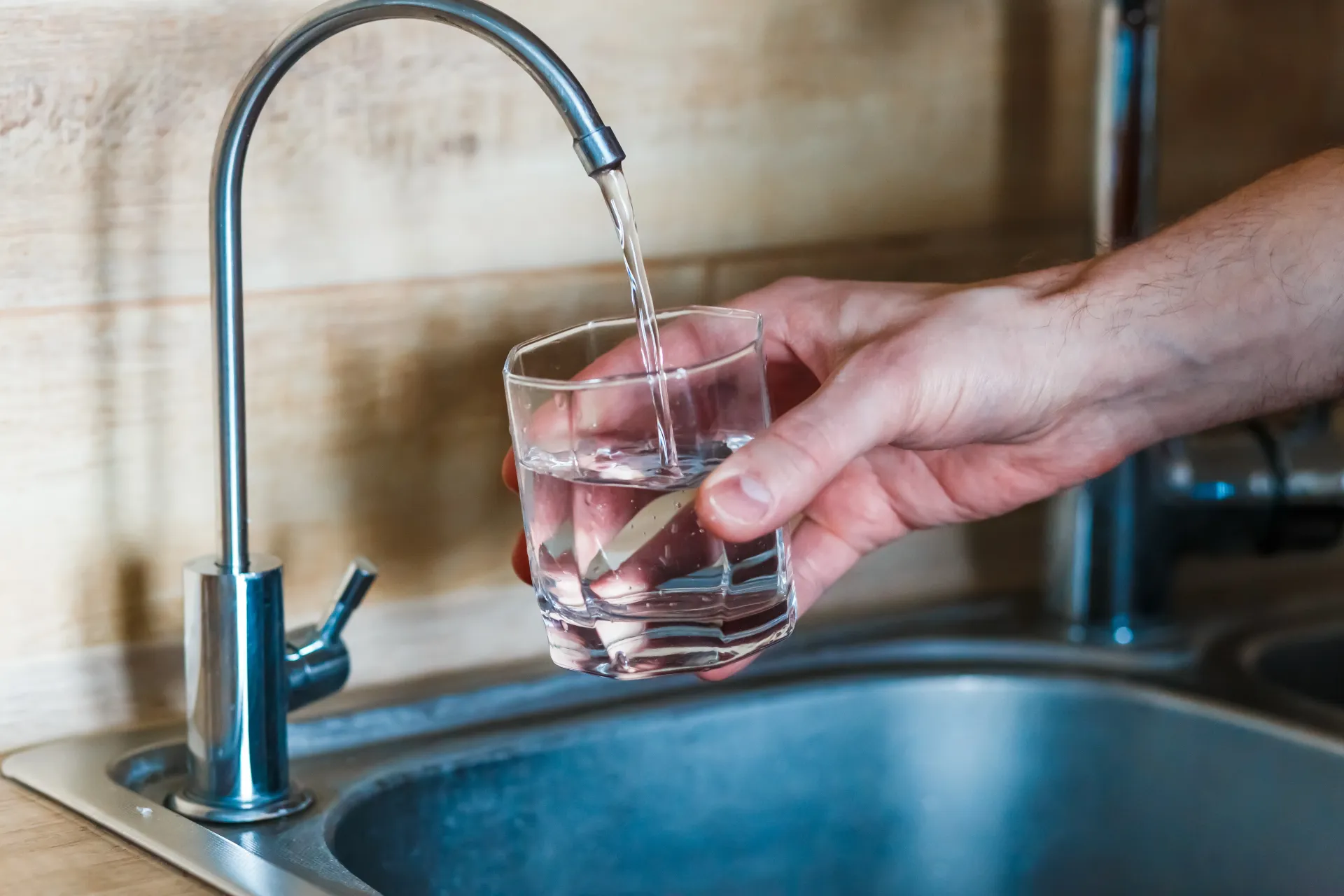
A sulfur smell, metallic taste, or yellow-brown tint are symptoms, not problems. The problem is what's causing them. Contaminant identification points to the source so the fix addresses the actual issue, not just the visible sign.
Nearby construction, flooding, or septic work
Any ground disturbance near a well can compromise the casing or introduce surface contaminants into the water column. Bacteria in particular can enter after a flood event and linger without obvious signs.
Routine annual check on an older well
Wells don't come with a dashboard warning light. An annual bacteria test and periodic full-panel chemical analysis is the only way to catch a slow-developing problem before it becomes a health issue.
After the Results: What Happens Next
Interpret, don't just report
Robert walks through every result with you in plain language. A number on a lab sheet means nothing without context. He explains what each contaminant level means for your household specifically.
Recommend only what the water actually needs
Nick Demski's review said it plainly: Robert could have sold him a water softener he didn't need and didn't. If the results don't call for a system upgrade, he'll tell you that. The diagnostic shapes the recommendation, not the other way around.
Install American-made systems at factory-direct pricing
If a residential arsenic filter, an iron filter, or an under-sink RO system is the right call, Mr. Water Treatment installs American-made components at factory-direct pricing, with no retail markup passed on to you.
What Our Customers Found
“I can't say enough good things about Mr. Water! This was the second time I've used them, and both experiences have been outstanding. About a year ago, they came out to replace my iron filter. They arrived on time, were friendly, professional, and completed the work efficiently. What really earned my trust was their honesty. They could have easily tried to sell me a new water softener, but instead they told me my existing unit still had plenty of life left and recommended waiting until it actually needed to be replaced. That kind of integrity is hard to find these days.”
“Mr. Water Treatment, Holly, MI, did a complete and precise job replacing our water system. They explained the water system and why each part was necessary in everyday language which created trust and helped us make a well-informed purchase. They also improved the speed and taste of our RO water tap by suggesting a separate pump and minerals. We had them installed and we are very glad we did. Mr. Water Treatment, Holly, MI, staff are honest and dependable. They stand behind their work and are easy to work with.”
Quick Facts for Homeowners Researching This
Before you call anyone, here's what you should know about contaminant testing in this area.
- Presence vs. quantity matters
- A bacteria test tells you yes or no. A chemical test tells you how much. Both types are available, and Robert recommends which you need based on your situation.
- 35+ years of local water testing experience
- Robert Davidson has been testing Southeast Michigan water since 1991. He knows the regional geology and the contaminants this area actually produces.
- BBB accredited, certified technicians
- Mr. Water Treatment LLC is BBB accredited and employs certified technicians. That's not a marketing line; it's a checkable fact.
- Factory-direct pricing, no retail markup
- If testing leads to a system recommendation, the equipment comes from the manufacturer, not through a distributor chain that adds margin at every step.
Get Your Holly Water Tested by Robert Davidson
35 years, factory-direct pricing, American-made systems. Call the person who actually shows up.
Frequently asked questions
How do I know if my water has contaminants?
What water tests do I need for a new home in Holly?
What is the difference between bacteria and chemical contaminants in water?
Why should I test my well water regularly, not just once?
What should I do if my water test shows high contaminants?
Does Mr. Water Treatment LLC test for PFAS?
How long does water contaminant testing take?
Related
Next step
Tell us about the job
Your name, your number and what needs doing. A person from Mr. Water Treatment LLC gets back to you.
Rather talk now?(810) 254-0515