
Holly Local
5.0 from 2 Google reviewspH Level Testing in Holly
Field-calibrated, on-site testing that tells you exactly where your water stands.
Call or text (810) 254-0515Request an estimate
Tell us what you need
What pH Testing Reveals in Holly Water
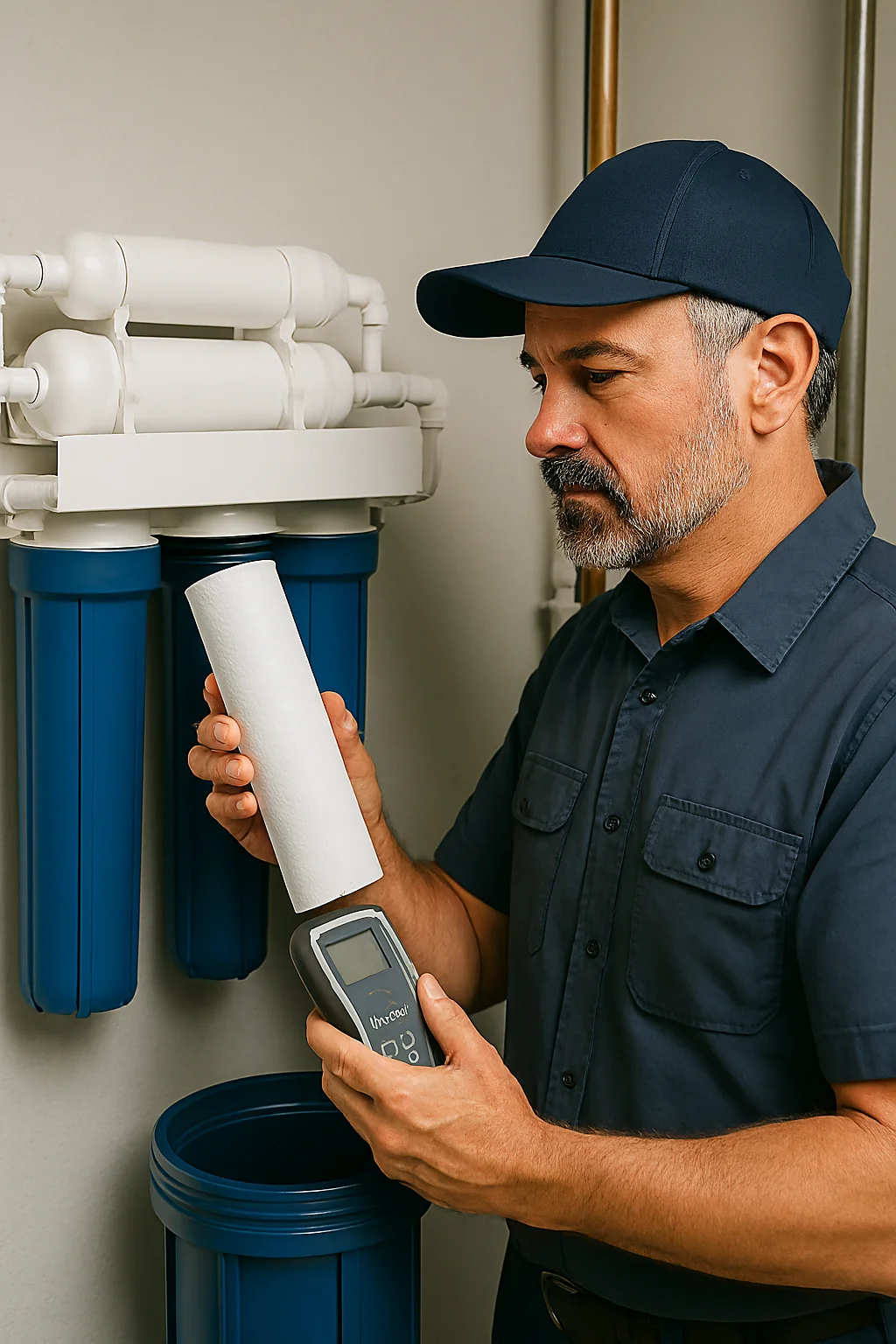
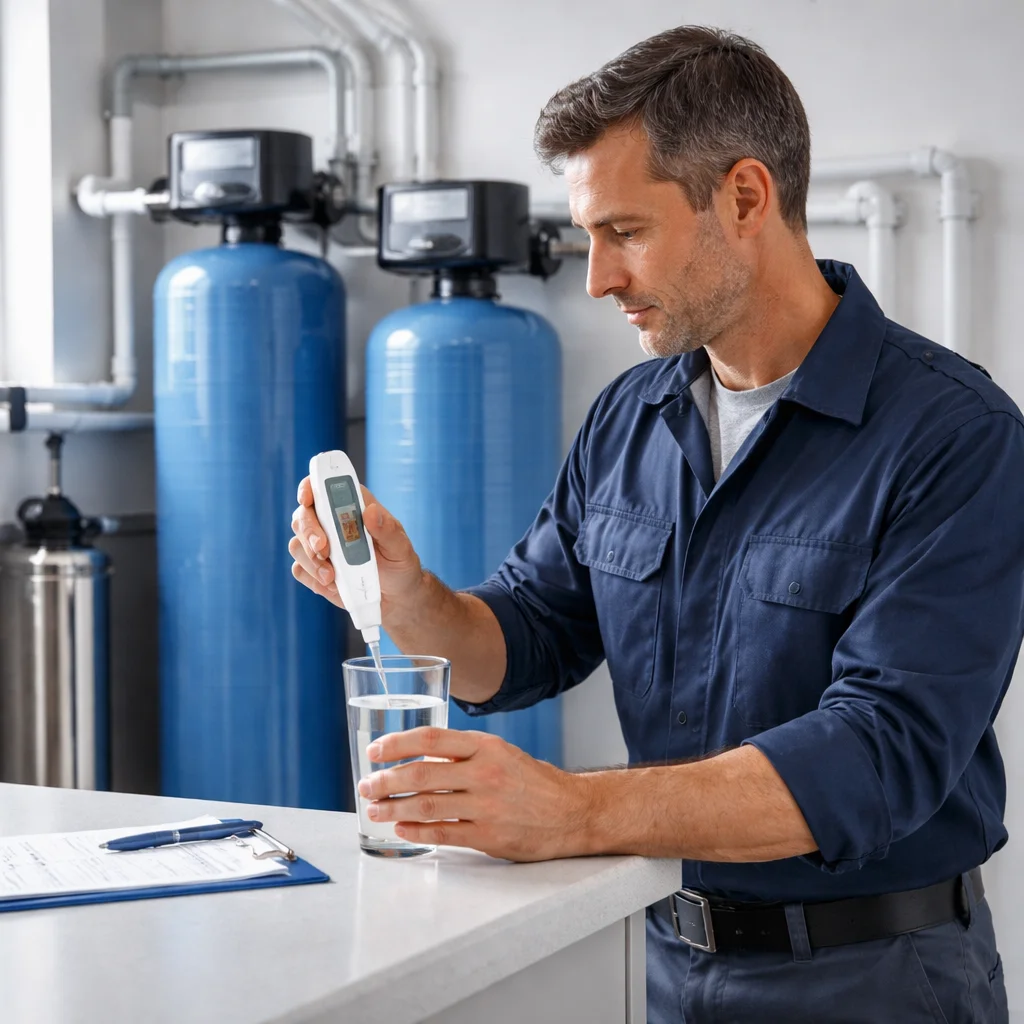
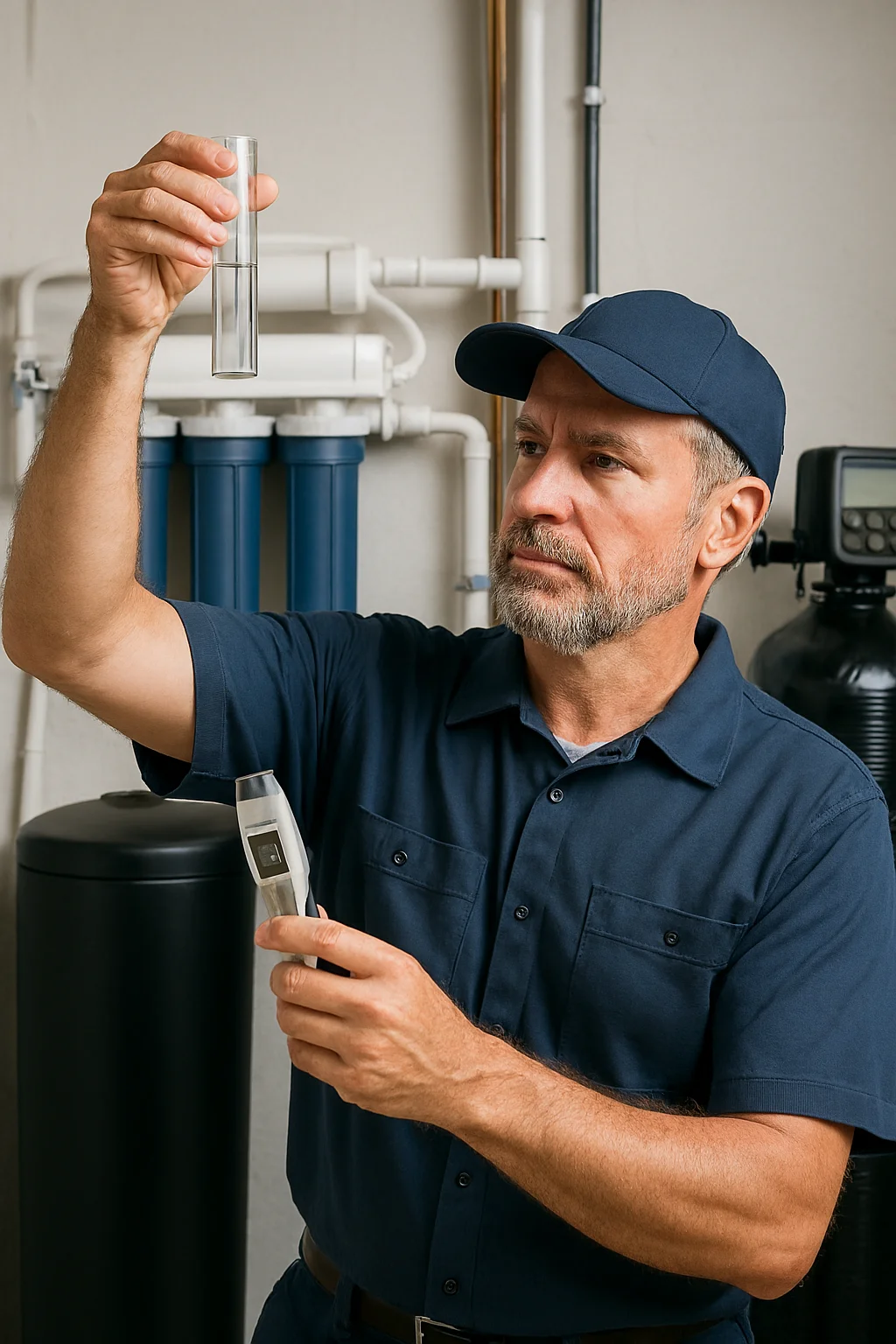
pH level testing in Holly is what Robert Davidson and Mr. Water Treatment LLC have been doing for over 35 years, using field-calibrated meters and on-site analysis to give Holly homeowners and businesses a clear, accurate picture of their water chemistry. Water that leans too acidic causes corrosion in pipes and fixtures; water that sits too alkaline can carry a metallic taste or leave stubborn scale behind. Neither problem announces itself clearly until real damage is done. If you're chasing unexplained taste complaints, corroded fittings, or spotty fixtures, a precise pH test is the right first step. Call (810) 254-0515 and we'll schedule an on-site assessment.
We carry out every pH and mineral content test with meters calibrated before each visit, not pool-style test strips that give you a rough estimate. The safe drinking water range runs from 6.5 to 8.5 on the pH scale; water outside that band can accelerate pipe wear, affect how well water softener systems perform, and alter the effectiveness of downstream filtration. What drives the complexity of a pH assessment is source type (well vs. municipal), the age of your plumbing, and whether secondary issues like iron or arsenic are present. Every job is different. Contact Mr. Water Treatment LLC for an accurate estimate.
What pH Level Testing in Holly Covers
- On-site measurement with field-calibrated meters, not test strips
- Safe range: 6.5 to 8.5 for potable water; we flag anything outside it
- Covers residential wells, commercial systems, and municipal supply lines
- Results explained in plain language, with a written recommendation if action is needed
- Testing pairs with full water quality analysis when secondary contaminants are suspected
Why It Matters
What an Off-pH Reading Actually Does to a Home
These are the real-world effects we see on Holly properties when pH drifts outside the safe zone.
Corrosion From Acidic Water
Water below 6.5 pH dissolves copper and lead from older pipes and solder joints. We regularly see blue-green staining on fixtures in Holly homes with untreated well water sitting in the low-6 range.
Scale and Taste From Alkaline Water
Water above 8.5 deposits calcium carbonate faster than a standard softener cycle can keep pace with. It's also the first thing people notice as a chalky or slightly soapy taste at the tap.
Reduced Filtration Effectiveness
pH directly affects how well an arsenic filter or reverse osmosis membrane performs. A system sized and installed for neutral water won't deliver the same results when the feed water is a full unit off.
Water Heater and Appliance Wear
Acidic water attacks the anode rod in a water heater two to three times faster than neutral water does. That shortens tank life and raises energy costs, neither of which shows up on a repair bill with a clear cause unless someone ran a pH test first.
Our Process
How We Run a pH Test on a Holly Property
On-Site Sample Collection
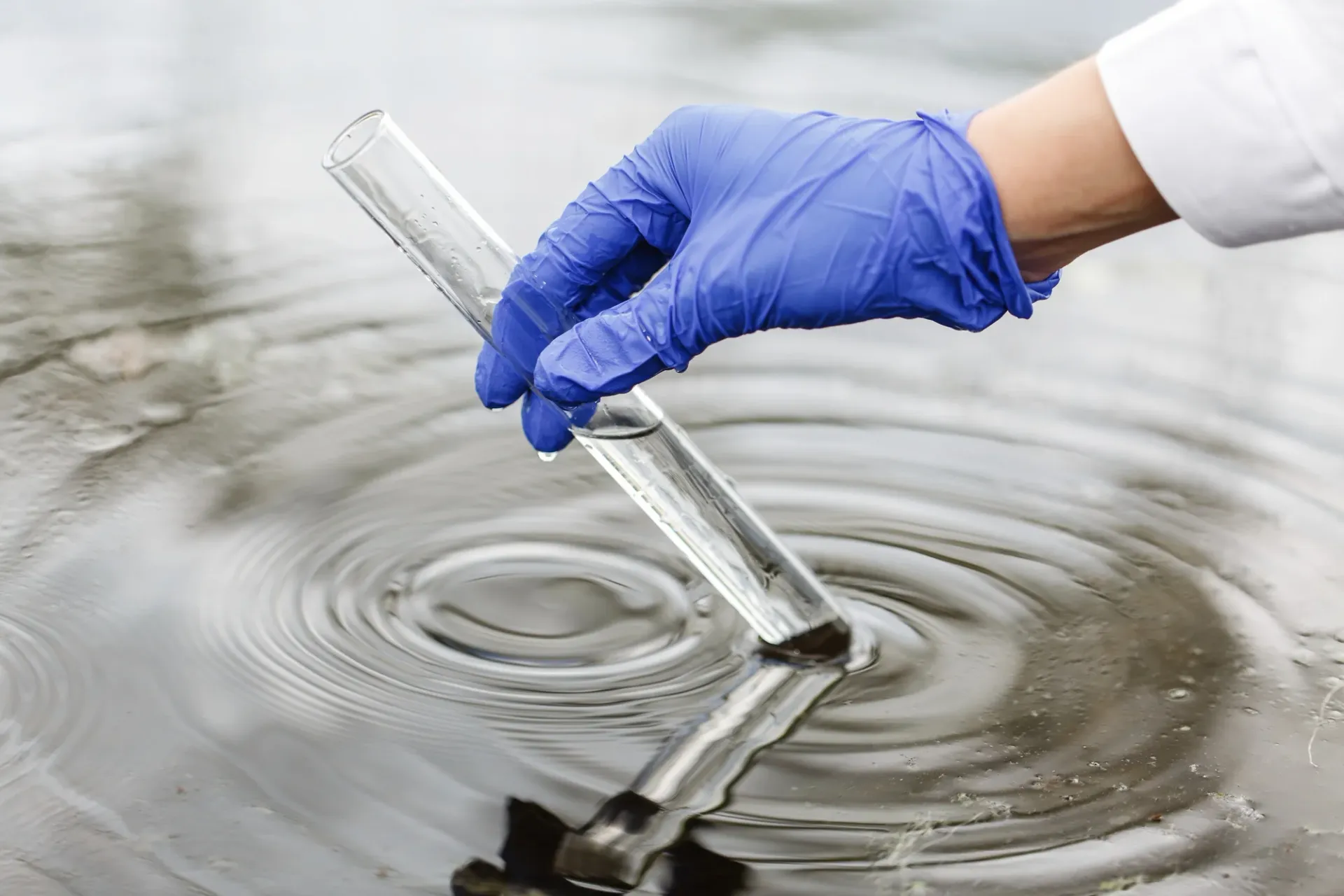
We collect samples at multiple points: the main entry, the hot water line, and any dedicated drinking taps. Single-point testing misses the variation that develops across a system.
Field-Calibrated Meter Analysis
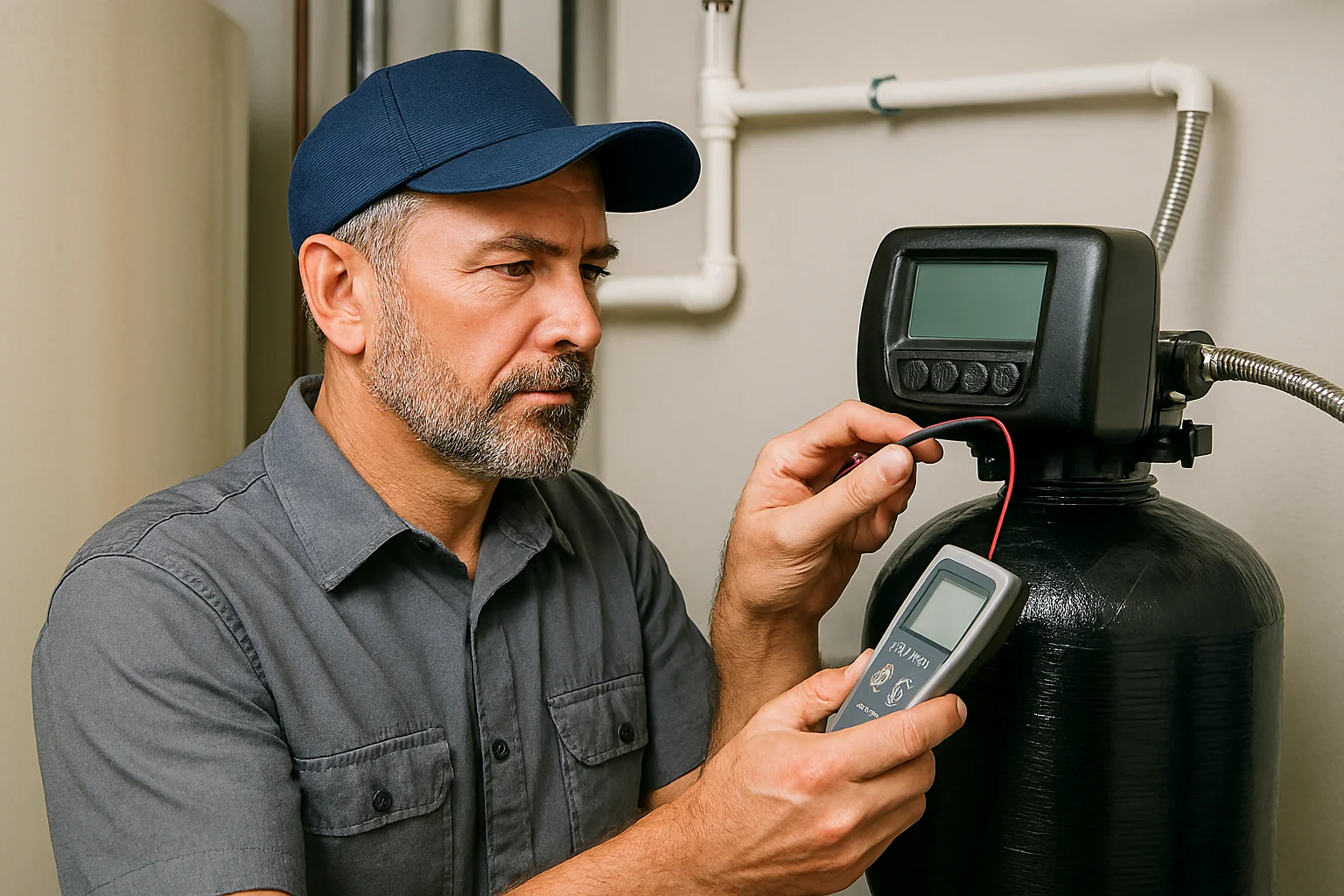
Every reading comes from a calibrated digital meter, checked against a known buffer solution before we start. We don't estimate; we measure. Results are recorded and provided to you in writing.
Plain-Language Results and Next Steps
If the reading is outside the optimal zone, we tell you exactly what it means and what, if anything, needs to change. We won't recommend a system you don't need. That's been the standard here for 35 years.
Quick Reference
pH Facts Worth Knowing Before You Call
- The EPA secondary standard for drinking water pH is 6.5 to 8.5
- Well water in Oakland and Genesee Counties often tests slightly acidic due to local geology
- A pH shift of one unit means a tenfold change in acidity or alkalinity, not a small step
- Iron problems and pH problems frequently appear together in Southeast Michigan well water
- Corrected pH extends the service life of softener resin and RO membranes
35 Years Reading Southeast Michigan Water
The Mr. Water Treatment Standard
What we commit to on every pH test we run in Holly.
- Calibrated meters on every visit
- No test strips, no guesswork, field-calibrated digital equipment only
- Written results provided on-site
- You get the numbers and what they mean before we leave
- Honest recommendation, not a sales pitch
- Nick Demski's review says it plainly: we told him his softener still had life left. We always will.
- Factory-direct systems if treatment is needed
- American-made components at factory-direct pricing, no retail markup
pH Level Testing: Common Questions
What is an unsafe pH level for drinking water?
How do you test for pH levels in a home water supply?
What are pH test strips, and are they accurate enough?
Does pH affect how my water softener or iron filter performs?
How often should Holly well water be tested for pH?
Can low pH in my water be corrected without replacing my whole system?
What are pH test strips, and are they accurate enough for well water?
How often should well water in Oakland County be tested for pH?
Can low pH water be corrected without replacing my whole treatment system?
Schedule a pH Test in Holly
If you're seeing corrosion, taste changes, or unexplained system wear, start with a pH test. Robert Davidson and the Mr. Water Treatment team serve Holly and Southeast Michigan with on-site, field-calibrated water testing and 35 years of practical answers. Call (810) 254-0515 or reach us at info@mrwatertreatmentllc.com to set up your assessment.
Related
Next step
Tell us about the job
Your name, your number and what needs doing. A person from Mr. Water Treatment LLC gets back to you.
Rather talk now?(810) 254-0515