
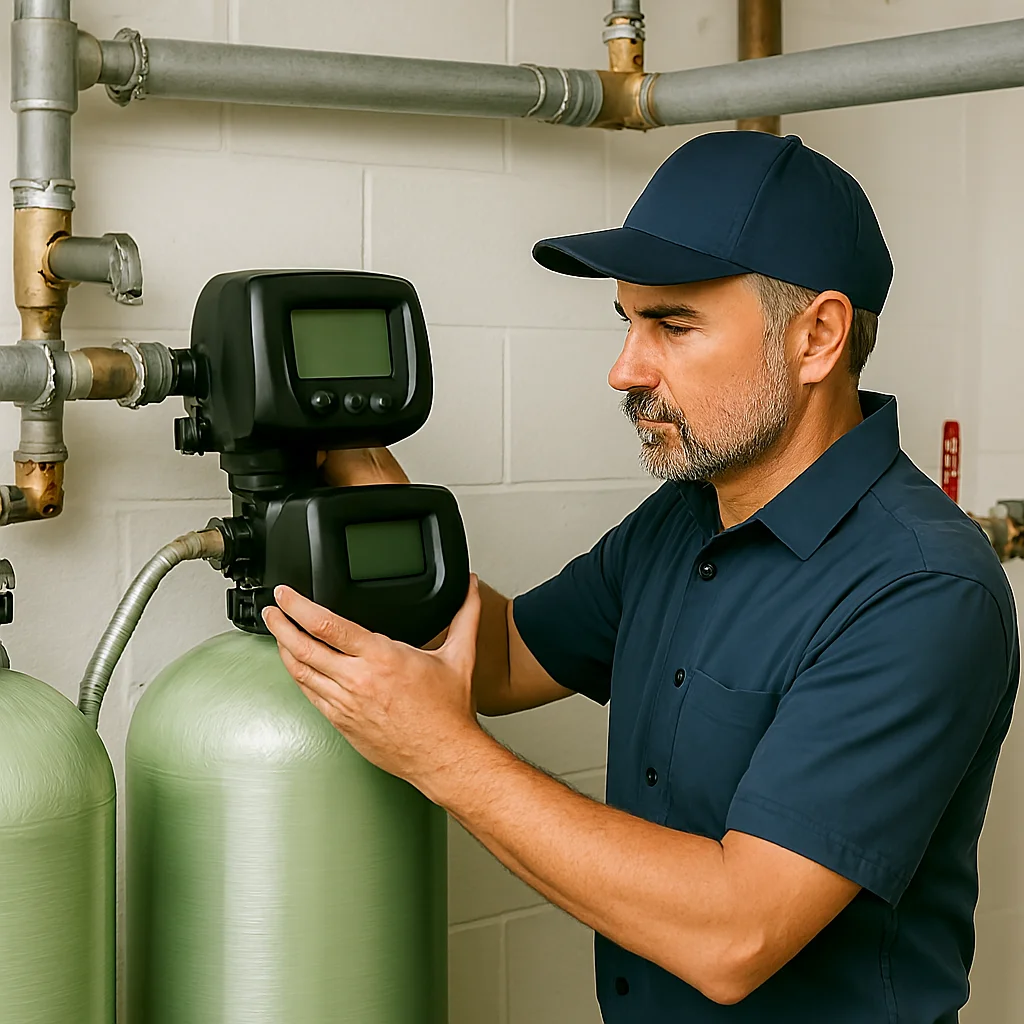
Holly Local
5.0 from 2 Google reviewsCommercial Water Softener Installation in Holly
Factory-direct systems, American-made components, and 35 years of Southeast Michigan water expertise.
Call or text (810) 254-0515Request an estimate
Tell us what you need
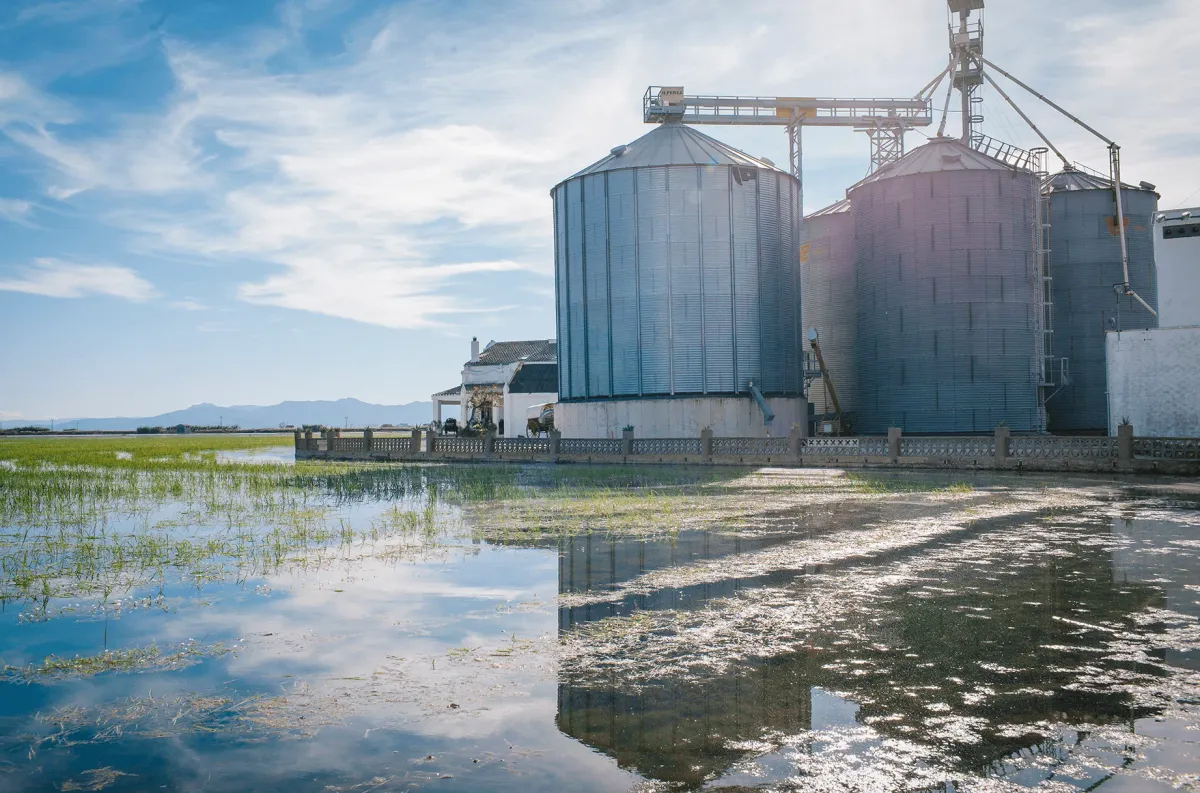
Commercial Softener Installation in Holly, MI
Mr. Water Treatment LLC handles commercial water softener installation in Holly and throughout Southeast Michigan, sizing and setting up systems that match what a commercial property actually needs, not what moves the most units off a shelf. If scale buildup is coating your equipment, shortening the life of your water heater, or showing up in your product or process water, call Robert Davidson at (810) 254-0515 before the problem compounds further.
Commercial softeners differ from residential units in ways that matter: flow rate, grain capacity, regeneration frequency, and bypass requirements all scale with the volume a business moves through its plumbing daily. A restaurant running multiple dishwasher cycles, a small manufacturer with process water demands, or a commercial laundry operation each requires a different system configuration. As an Authorized Charger Dealer, Mr. Water Treatment carries commercial-grade equipment with industry-leading Clack valves and American-made components built for continuous-duty environments. Every job starts with water hardness testing so the system is sized to your actual load, not a rough estimate. Every job is different. Contact Mr. Water Treatment LLC for an accurate estimate.
What Commercial Softener Installation Covers
- Water hardness test before any equipment is recommended
- System sizing based on daily flow rate and grain load
- Installation of commercial-grade softener with Clack control valve
- Bypass valve and proper plumbing connections
- Drain line and brine tank setup
- Regeneration cycle programming to match usage patterns
- Post-install performance check before we leave the property
Why It Matters
Hard Water Costs Commercial Properties More Than Homeowners
Scale accumulates faster in high-volume systems, and the damage runs deeper.
Equipment Lifespan
Hard water deposits build inside boilers, water heaters, dishwashers, and ice machines. A commercial softener slows that buildup and extends the service life of equipment that costs thousands to replace.
Energy Efficiency
Scale acts as an insulator inside water heaters. A thin layer of mineral buildup forces the burner to run longer to reach the same temperature, which shows up directly in your utility bill.
Product and Process Quality
Food service, hospitality, and light manufacturing operations often see water hardness affect final product quality. Softened water rinses cleaner, spots less, and doesn't interfere with chemical ratios in cleaning applications.
Plumbing Protection
Hard water slowly narrows pipe interiors with scale. Commercial systems move higher volumes, so the damage accumulates faster. Softening the supply upstream protects the entire building's plumbing infrastructure.
The Process
How Robert Approaches a Commercial Install
Test and Size
We test incoming water hardness and calculate your peak daily demand. The system gets sized to handle your actual flow rate, not a generic commercial average.
Install and Configure
We install the softener, connect bypass valves and drain lines, set up the brine tank, and program regeneration timing around your business hours so it doesn't interrupt operations.
Verify and Document
Before we leave, we run a performance test to confirm output hardness is where it needs to be. You get a system that's dialed in, not just physically present.
Commercial vs. Residential: The Real Differences

What Affects Installation Cost
No two commercial jobs are the same. These are the variables that move the number.
System Grain Capacity
Higher-demand operations need larger resin tanks. The capacity required depends on your daily water volume and incoming hardness, both of which we measure before quoting.
Plumbing Access and Location
Installing where the main supply enters the building is standard. Difficult access, concrete floors, or tight mechanical rooms add time and materials to the job.
Existing Plumbing Condition
If the supply lines or shutoffs near the installation point are corroded or undersized, those get addressed before the softener goes in. We won't install over a problem and call it done.
Single vs. Twin-Tank Setup
Operations that can't tolerate any downtime during regeneration sometimes need a twin-alternating system so one tank is always online. That's a larger investment, but it's the right answer for the right application.
Salt Consumption: What to Expect Over Time
What Our Customers Say
“I can't say enough good things about Mr. Water!
This was the second time I've used them, and both experiences have been outstanding. About a year ago, they came out to replace my iron filter. They arrived on time, were friendly, professional, and completed the work efficiently. What really earned my trust was their honesty. They could have easily tried to sell me a new water softener, but instead they told me my existing unit still had plenty of life left and recommended waiting until it actually needed to be replaced. That kind of integrity is hard to find these days. Almost a year later, my water softener finally reached the end of its life, so I called Mr. Water again. Once again, they showed up exactly when they said they would, were courteous and professional, and had the new softener installed quickly and neatly. They took the time to answer my questions, made sure everything was working properly before they left, and left the area clean. It's refreshing to work with a company that values honesty over making a quick sale. Their professionalism, punctuality, quality workmanship, and customer service have been exceptional every step of the way. They've earned my trust and my future business, and I wouldn't hesitate to recommend Mr. Water to anyone looking for a reliable, trustworthy water treatment company.”
“Mr. Water Treatment, Holly, MI, did a complete and precise job replacing our water system. They explained the water system and why each part was necessary in everyday language which created trust and helped us make a well-informed purchase. They also improved the speed and taste of our RO water tap by suggesting a separate pump and minerals. We had them installed and we are very glad we did. Mr. Water Treatment, Holly, MI, staff are honest and dependable. They stand behind their work and are easy to work with. We are very pleased with our new water system, and we are happy to have met staff of Mr. Water Treatment, Holly, MI.”
In the field
A look at our work
Ready to Protect Your Commercial Property from Hard Water?
Call Robert Davidson at (810) 254-0515 or reach out through our contact page. We'll test your water, size the right system, and install it ourselves. No subcontractors, no guesswork.
Frequently asked questions
What is the difference between residential and commercial water softeners?
How much does commercial water softener installation cost in Holly?
How long does water softener installation take?
How long does a 40 lb bag of water softener salt last in a commercial system?
What water hardness level actually requires a softener?
Where should a commercial water softener be installed?
Can I write off a commercial water softener on my taxes?
Do you service commercial softeners after installation?
Related
Next step
Tell us about the job
Your name, your number and what needs doing. A person from Mr. Water Treatment LLC gets back to you.
Rather talk now?(810) 254-0515